Search two areas and compare the differences that matter.
First area
VS
Second area
Salerno
138
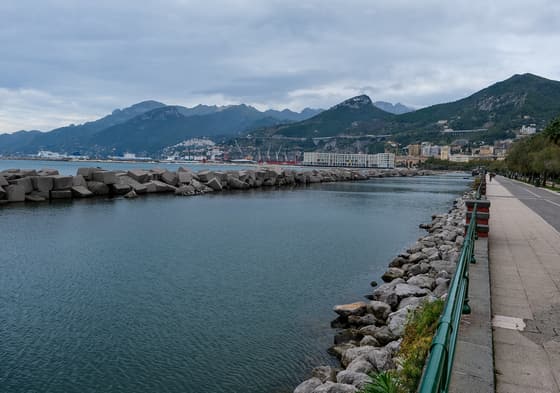
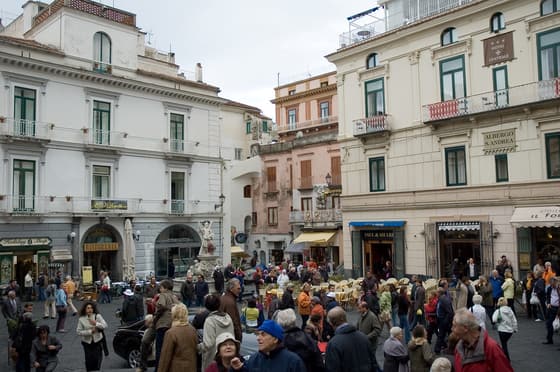
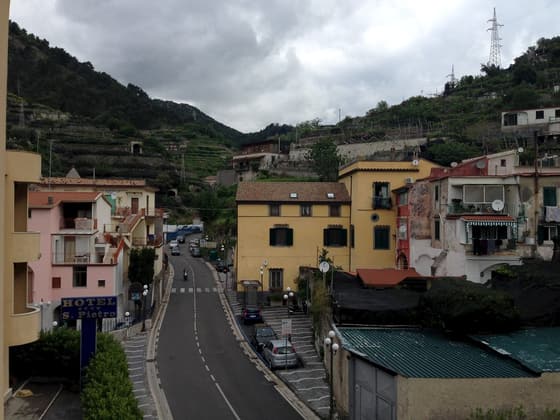
Salerno’s historic core around Via dei Mercanti feels compact, lively, and deeply walkable, with Amalfi’s coastal landmarks within easy reach by local transport and sea connections. Expect a mix of everyday Italian energy, old-stone streets, and strong dining appeal, plus moderate bustle that rises near sightseeing spots and evening promenades.
Excellent base for sightseeing and coastal day trips.
Vibrant dining scene with authentic local character.
Can feel busy around major sights and transit.
Ravello
55
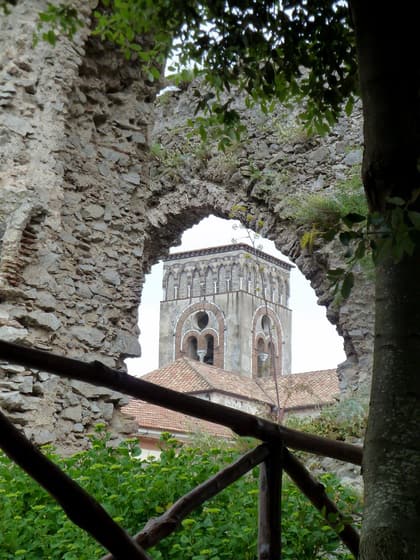
Ravello feels poised above the Amalfi Coast, calmer and more refined than the seafront bustle below. Sightseeing centers on scenic viewpoints, gardens, and nearby Amalfi highlights like Fontana Sant'Andrea, Amalfi Busto Di Sant'Andrea, and Mercanti d'Arte. It suits travelers wanting elegance, quieter evenings, and easy access to coastal culture rather than constant action.
Salerno’s historic core around Via dei Mercanti feels compact, lively, and deeply walkable, with Amalfi’s coastal landmarks within easy reach by local transport and sea connections. Expect a mix of everyday Italian energy, old-stone streets, and strong dining appeal, plus moderate bustle that rises near sightseeing spots and evening promenades.
Excellent base for sightseeing and coastal day trips.
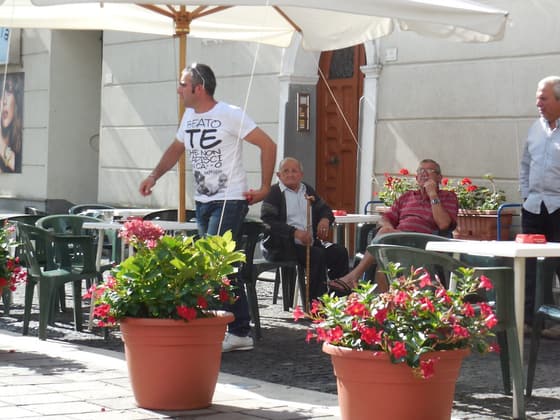
Amalfi feels like a lively, compact seaside town where landmark-hopping is easy and the waterfront energy never really stops. Around Fontana Sant'Andrea, Amalfi Busto Di Sant'Andrea, and the harbor-side shops, the atmosphere blends historic charm, ferry-and-bus bustle, and casual dining. Expect crowds, cheerful noise, and a distinctly tourist-friendly, come-and-go rhythm.
Easy access to central landmarks and waterfront sights
Ravello feels poised above the Amalfi Coast, calmer and more refined than the seafront bustle below. Sightseeing centers on scenic viewpoints, gardens, and nearby Amalfi highlights like Fontana Sant'Andrea, Amalfi Busto Di Sant'Andrea, and Mercanti d'Arte. It suits travelers wanting elegance, quieter evenings, and easy access to coastal culture rather than constant action.
Agerola feels like a cool, upland base above the Amalfi bustle: quieter, greener, and more local, with mountain air and sweeping views toward the coast. Sightseeing is more of a scenic-hop than a doorstep stroll, but it suits travelers who prefer calmer evenings, hearty trattorias, and easy access by bus to Amalfi’s landmarks and waterfront.
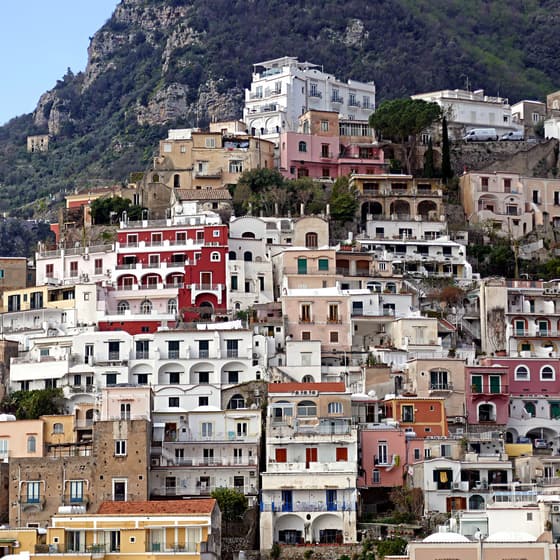
Positano feels dramatic and cinematic, all steep lanes, pastel facades, and sea views spilling down the cliffs. It’s best for slow strolling, scenic cafés, and lingering dinners rather than easy logistics. Expect lively summer crowds, frequent steps, and a polished, destination-like buzz that rewards travelers who love atmosphere over convenience.
Maiori feels like a relaxed, beach-oriented slice of the Amalfi Coast with a livelier, more practical rhythm than the postcard-center nearby. It’s convenient for bus-based exploring and seaside wandering, with easy access toward Amalfi landmarks like Fontana Sant’Andrea, Ruga Nova Mercatorum, and Amalfi Busto di Sant’Andrea. Expect a breezier, less hushed atmosphere, casual dining, and evening energy that stays friendly rather than flashy.
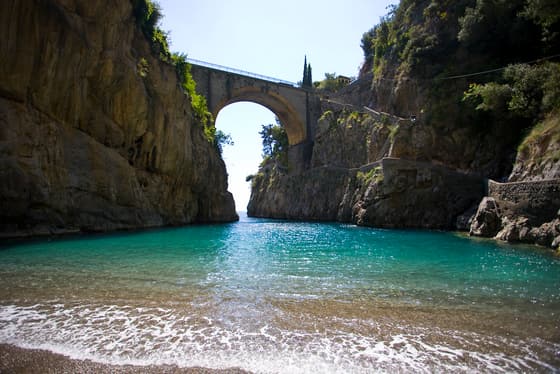
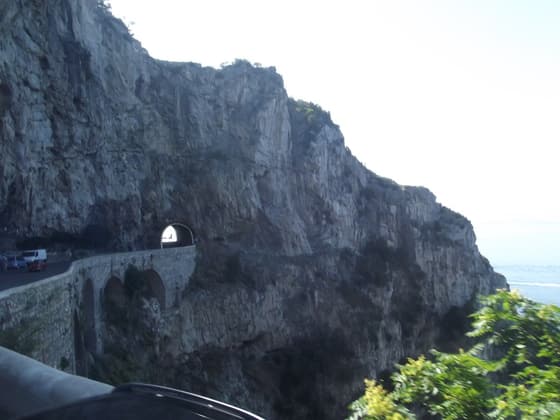
Furore feels like a dramatic cliffside hideaway above the Amalfi Coast, quieter and more pastoral than Amalfi town itself. It suits travelers who want sea views, winding roads, and a slower pace with easy access to nearby sights like Amalfi’s harborfront, churches, markets, and coastal landmarks. Expect limited nightlife, restrained crowds, and transport that feels scenic but less effortless than central Amalfi.
Spectacular clifftop scenery and cinematic sea views.
Praiano feels like a quieter, terraced Amalfi Coast village with sweeping sea views, steep lanes, and a relaxed pace. It offers easy access to Amalfi-side sights like Amalfi Busto Di Sant'Andrea, Fontana sant'Andrea, and Ruga Nova Mercatorum, while transport is characteristically coastal and bus-oriented. Dining is low-key and scenic, with calmer evenings than busier resort towns.
Minori feels like a small, seaside Amalfi Coast base with a gentler tempo than the busier town center nearby. It offers straightforward access to Amalfi’s landmarks and ferries, while keeping a more relaxed, local atmosphere. Expect modest evening activity, waterfront dining, and occasional tourist bustle rather than heavy nightlife or constant noise.
Easy access to Amalfi’s main sights and transport.
Conca dei Marini feels like a quiet, cliff-hugging Amalfi Coast refuge, with sea views, steep lanes, and a slower rhythm than nearby Amalfi. It suits travelers who want scenic calm, easy access to coastal sightseeing, and a more local, low-key base for exploring churches, watersports, markets, and the historic center nearby.
Atrani is a tiny, atmospheric seaside village just beside Amalfi, with a slower, more intimate feel than the main town. Its compact lanes, beach access, and easy reach to Amalfi sights like Fontana Sant'Andrea, Amalfi Busto Di Sant'Andrea, and nearby shops make it scenic and convenient, though summer crowds and local traffic can be noticeable.
Vico Equense feels like a breezy Sorrento Peninsula base with a local, lived-in rhythm rather than Amalfi’s pure postcard bustle. It suits travelers who want easy access to coastal sightseeing, ferries, and regional transport while returning to a town with family-run dining, modest nightlife, and a more relaxed, less crowded evening scene. Nearby sights and hubs can be reached along the Amalfi-Sorrento corridor, including Amalfi’s
Pompei offers a lively, practical base for exploring the ruins and the Bay of Naples, with busy transit connections, everyday shops, and a more grounded local rhythm than the Amalfi waterfront. Around Amalfi, the mood shifts to postcard beauty, steep lanes, and ferry-and-bus convenience, but also heavier crowds, more noise, and a stronger seasonal buzz near landmarks like Fontana sant’Andrea and Ruga Nova Mercatorum.
Strong sightseeing access to iconic coastal landmarks
Castellammare di Stabia offers a lived-in Bay of Naples base with a working-town rhythm, ferry-and-road transport energy, and easy access toward Amalfi Coast sights rather than postcard calm. Expect practical streets, local dining, and a mix of commuter bustle and seaside charm; better for travelers who like movement, character, and day-trip convenience than polished nightlife or total quiet.
Gragnano feels like a lively, everyday base with a distinctly local rhythm, set apart from Amalfi’s waterfront bustle but still within reach of its historic sights and coastal excursions. Expect practical transport connections, neighborhood shops, and a less tourist-saturated atmosphere. Dining leans casual and regional, nightlife stays modest, and crowds are generally lighter than the main Amalfi center.
Pagani offers a more lived-in, local atmosphere than the beachside Amalfi core, with everyday commerce, neighborhood streets, and easy access to Amalfi’s landmarks by regional roads and transit. It suits travelers who prefer authenticity over postcard bustle, with dining that feels casual and practical rather than tourist-polished. Expect moderate energy, some traffic noise, and fewer destination-style evening options.
Pimonte feels like a quiet hillside base above the Amalfi Coast, with a slower, more local rhythm than the bustling seafront towns below. It suits travelers who want scenic breathing room, easier access to inland drives and day trips, and a calmer evening atmosphere after exploring Amalfi’s landmarks, shops, and waterfront energy.
Tramonti feels like a green, hill-country refuge above the Amalfi bustle: quieter, more local, and spread across scenic villages rather than a single compact core. It offers a slower, residential atmosphere with easy access by road to Amalfi’s landmarks and seafront energy, but less of the coast’s dense sightseeing convenience, nightlife, and pedestrian buzz.