Search two areas and compare the differences that matter.
First area
VS
Second area
Santa Maria Maior
142
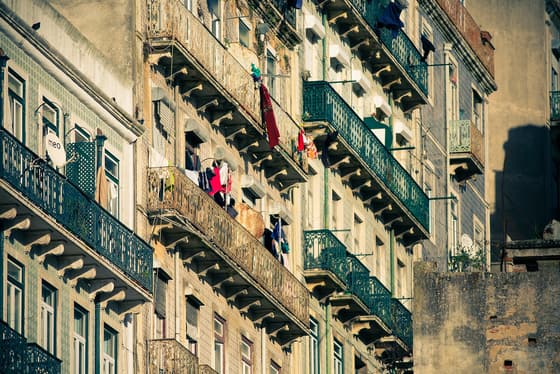
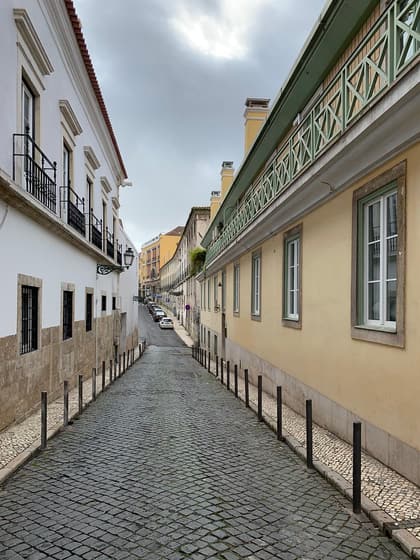
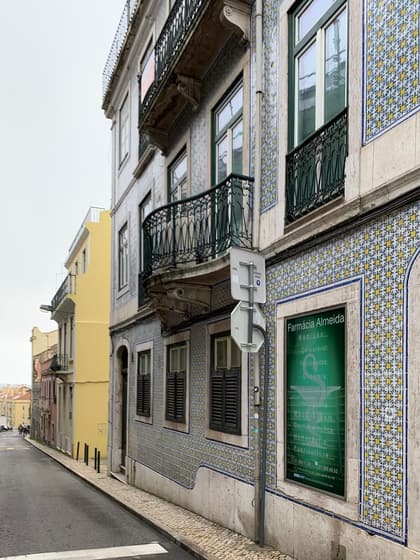
Santa Maria Maior is Lisbon’s historic heart: steep, tiled streets, miradouros, and a constant hum of trams, fado, cafés, and late dinners. Sightseeing is effortless, with landmarks, viewpoints, and old-town lanes woven tightly together. Expect lively days, busier evenings, and some noise, especially near popular routes and lookout points.
Excellent base for sightseeing on foot
Rich dining and evening atmosphere
Can feel crowded in peak hours
Santo António
75
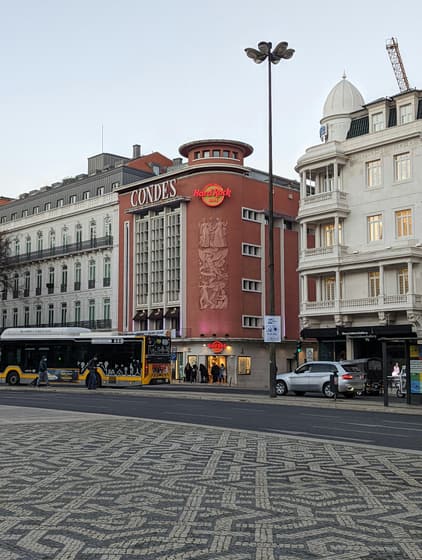
Santo António feels central, polished, and walkable, with classic Lisbon energy—leafy avenues, elegant buildings, and easy access to the city’s main sights. Around Rua da Rosa, dining and nightlife feel lively but more refined than raucous, while nearby viewpoints and historic streets add charm. Traffic and urban buzz are present, but the neighborhood suits visitors who want convenience, character, and a strong base for exploring
Santa Maria Maior is Lisbon’s historic heart: steep, tiled streets, miradouros, and a constant hum of trams, fado, cafés, and late dinners. Sightseeing is effortless, with landmarks, viewpoints, and old-town lanes woven tightly together. Expect lively days, busier evenings, and some noise, especially near popular routes and lookout points.
Santo António feels central, polished, and walkable, with classic Lisbon energy—leafy avenues, elegant buildings, and easy access to the city’s main sights. Around Rua da Rosa, dining and nightlife feel lively but more refined than raucous, while nearby viewpoints and historic streets add charm. Traffic and urban buzz are present, but the neighborhood suits visitors who want convenience, character, and a strong base for exploring
Misericórdia feels central, creative, and effortlessly walkable, with Rua da Rosa as a lively spine and easy access to cafés, bars, and viewpoint-hopping. It suits travelers who want Lisbon’s social energy without being deep in the tourist crush. Expect nightlife hum, uneven streets, and a stylish blend of local routines and visitors.
Arroios feels lived-in, energetic, and increasingly creative, with a mix of local life, casual eateries, and easy access to central Lisbon. It suits travelers who want strong transit connections, diverse dining, and a less polished but more authentic urban mood. Expect some bustle, street noise, and a neighborhood that feels active well into the evening.
Excellent transit access and central sightseeing convenience.
Avenidas Novas feels polished, central, and comfortably urban, with wide avenues, office buildings, and easy access to Lisbon’s transit network. It suits travelers who want straightforward sightseeing convenience without living inside the historic-core crush. Nearby dining runs from casual brasseries to polished Portuguese tables, while evenings are generally active rather than rowdy, with moderate city noise and a steady weekday buzz.
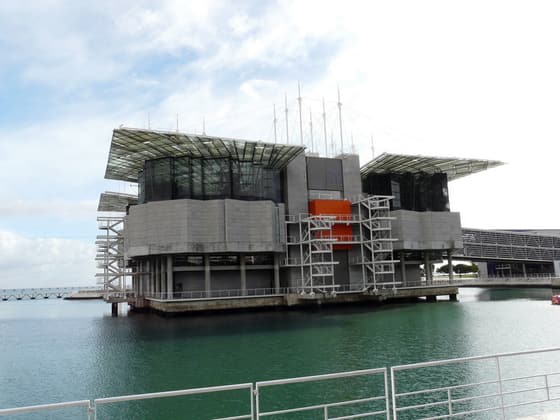
Parque das Nações feels sleek, airy, and modern, with riverside promenades, striking architecture, and a polished business-district calm. It’s convenient for sightseeing via excellent transit links, but nightlife is comparatively subdued and spread out. Expect clean, spacious public areas, relaxed dining, and lower historic buzz than central Lisbon neighborhoods.
São Vicente feels like old Lisbon at its most atmospheric: steep, tiled streets, tram rattles, miradouros, and a lived-in residential rhythm. It’s ideal for sightseeing on foot, especially around Portas do Sol, with easy access to Alfama and nearby dining spots. Evenings are low-key rather than wild, with occasional bustle and some hill-climbing to expect.
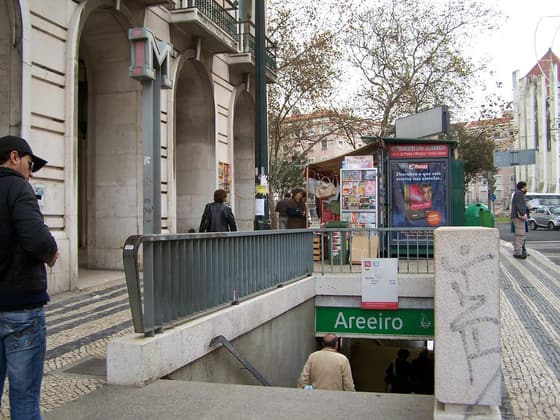
Areeiro feels like a practical, local Lisbon base with a calmer residential rhythm than the historic center. It’s well-connected for getting around the city, while nearby dining and casual evenings stay more low-key than scene-driven. Expect everyday cafés, transit convenience, and an easygoing neighborhood atmosphere rather than nonstop sightseeing right outside your door.
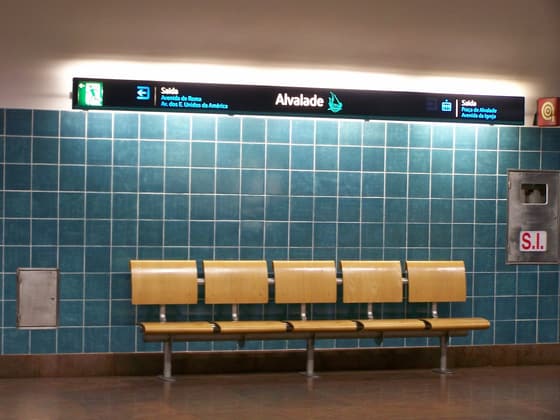
Alvalade feels distinctly local and residential, with broad avenues, leafy pockets, and a calmer pace than Lisbon’s historic core. It’s convenient for getting around, with easy transport links and straightforward access to central sights like Rua da Rosa and Miradouro das Portas do Sol, while nearby dining skews relaxed rather than rowdy. Evenings stay low-key, making it a good fit for travelers who prefer everyday
Campolide feels local and lived-in, with a quieter residential rhythm than central Lisbon but easy access to the city’s main sights. It suits travelers who want straightforward transit, nearby eateries, and a less touristy base. Expect practical convenience, modest nightlife, and a calmer atmosphere that still keeps iconic neighborhoods within reach.
Alcântara feels industrial-meets-riverside, with renovated warehouses, creative energy, and a more local, working-district rhythm than central Lisbon. It’s convenient for sightseeing by tram, train, or rideshare, though it’s not the city’s most walk-everywhere base. Dining skews toward casual bistros, destination restaurants, and lively nightlife near the waterfront, with some quieter residential stretches and occasional evening buzz.
Creative, riverside atmosphere with strong local character
Belém feels spacious, maritime, and monument-rich, with grand riverfront sights, museums, and leafy promenades shaping a calmer Lisbon stay. It’s well suited to travelers who prefer daytime sightseeing and relaxed meals over late-night intensity. Transport is straightforward by tram, bus, and rail, while evenings stay quieter than central nightlife districts.
Monument-filled and highly scenic riverfront setting.
Campo de Ourique feels residential and polished, with leafy streets, neighborhood cafés, pastry shops, and a calm local rhythm that softens Lisbon’s hillier bustle. It’s convenient for exploring central sights by transit or taxi, while evenings tend toward relaxed dining rather than heavy nightlife. Good for travelers who prefer everyday Lisbon over tourist crowds.
Calm, lived-in atmosphere with strong local character
Célula B feels more like a practical Lisbon base than a postcard district: urban, lived-in, and easy to use for reaching central sights like Marquês de Pombal, Bairro Alto edges, and the Alfama viewpoints by transit or taxi. Expect a local, moderately busy atmosphere, with a mix of casual dining, everyday traffic, and some evening energy rather than all-night revelry.
Good access to central Lisbon sightseeing corridors.
Less immediately scenic than historic central neighborhoods.
Olivais feels residential and practical, with a quieter Lisbon rhythm than the historic center. It suits travelers who want easy transit access, an everyday local atmosphere, and straightforward dining rather than heavy nightlife. Sightseeing is convenient by metro or taxi, but the neighborhood itself is more about calm, space, and convenience than postcard scenery.
São Domingos de Benfica feels residential and grounded, with a lived-in Lisbon rhythm rather than postcard bustle. It offers good access to central sights and transport without the constant intensity of the historic core. Expect local cafés, practical dining, and a calmer evening scene, appealing to travelers who prefer everyday neighborhood texture over nightlife-heavy streets.
Ajuda feels residential and elevated, with a calm, old-Lisbon rhythm shaped by hills, historic monuments, and wider views than frenetic nightlife. It suits travelers who prefer local streets, museums, and slower evenings over constant action. Transport is more practical than walk-everywhere, while dining and after-dark options stay modest and neighborhood-oriented.
Célula D feels like a practical Lisbon base with easy access to central sights and a more residential rhythm than the historic core. Nearby landmarks are reachable without being in the thickest tourist crush, while dining leans toward relaxed neighborhood spots and occasional livelier evenings. Expect moderate city noise, local movement, and convenient transport connections.
Penha de França feels residential and uphill, with a lived-in Lisbon rhythm rather than a polished tourist buzz. It offers practical access to central sights through nearby transit and downhill routes, while staying relatively calm at night. Dining skews local and casual, with nightlife mostly elsewhere, making it best for travelers who prefer neighborhood texture over constant activity.