Search two areas and compare the differences that matter.
First area
VS
Second area
Praha 1
120
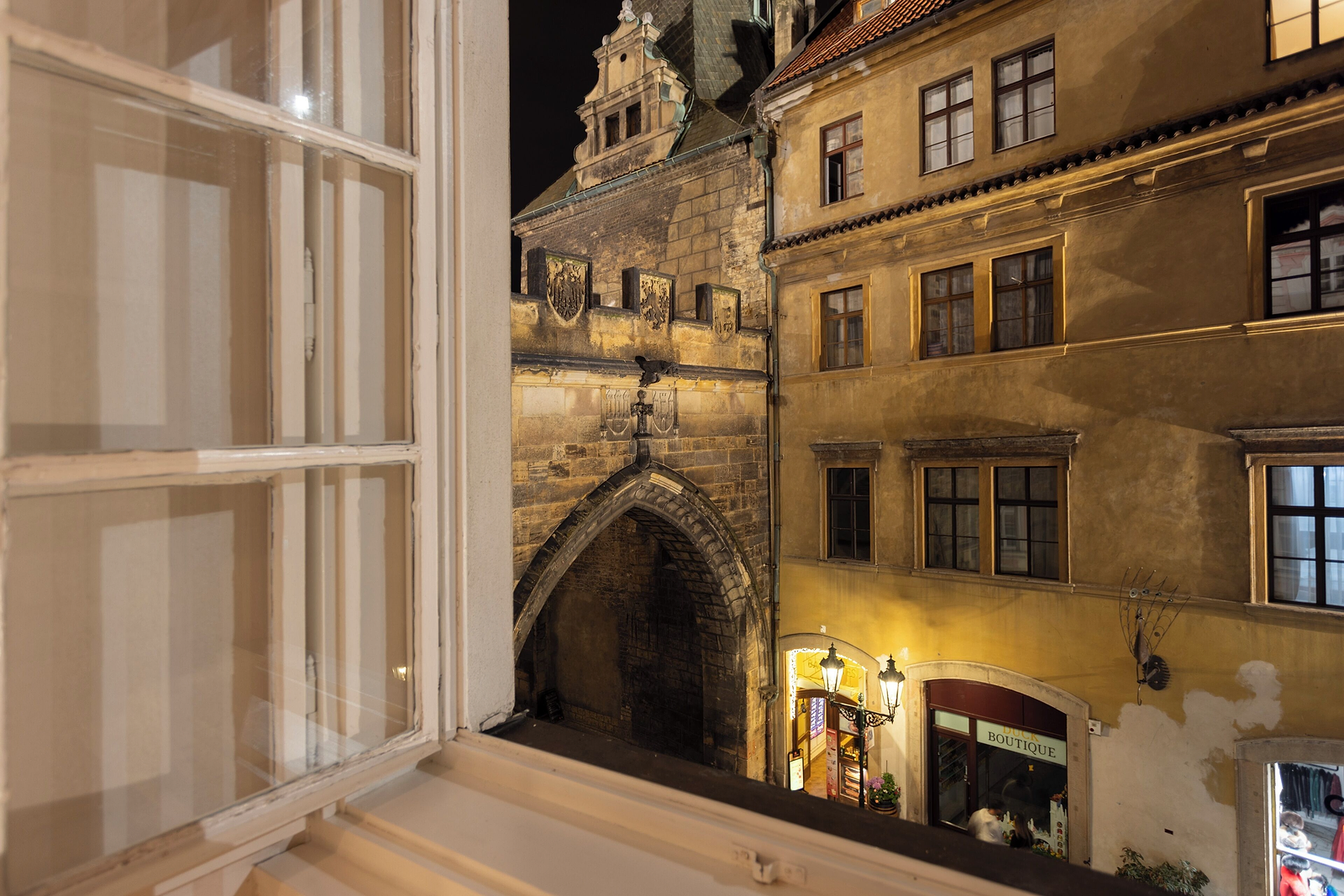
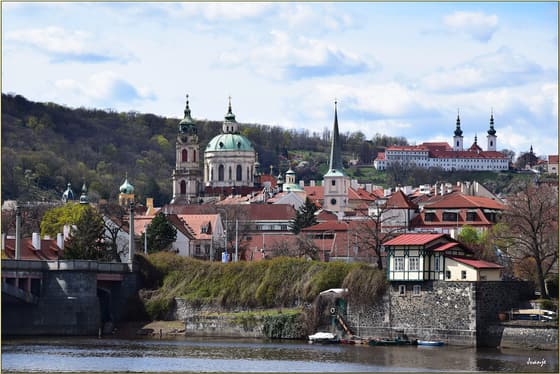
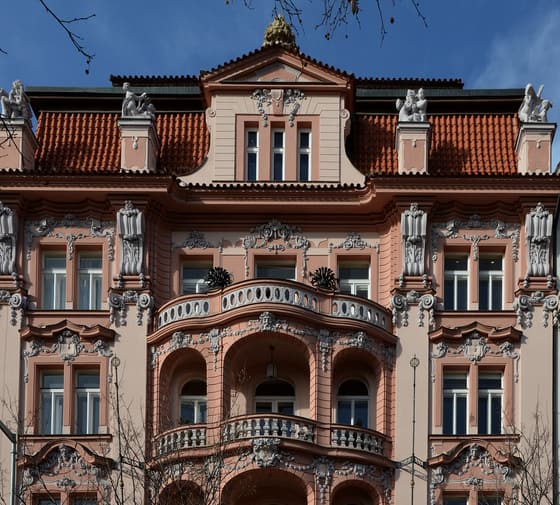
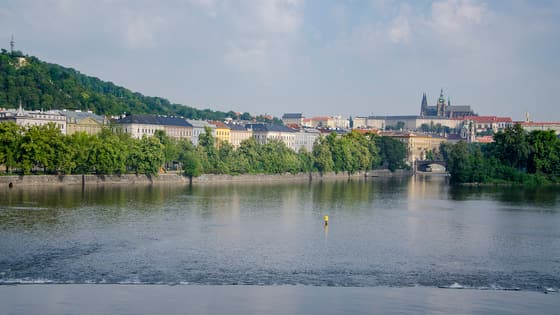
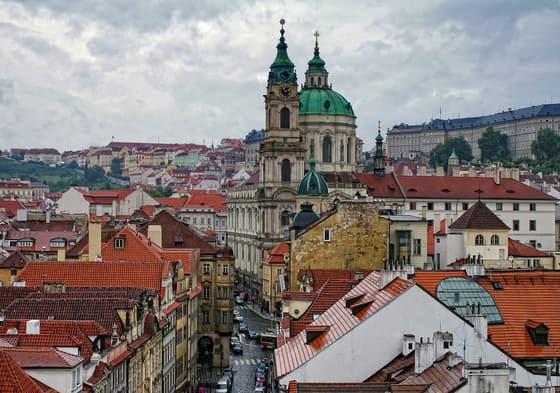
Praha 1 is Prague’s historic heart: grand, walkable, and packed with sights like Kampa’s art pieces, galleries, and old-town streets. Expect a lively, polished atmosphere with heavy daytime crowds, especially near major landmarks, plus easy transit access and plenty of cafes, traditional restaurants, and evening spots. Best for travelers who want iconic city energy and constant sightseeing within a compact core.
Iconic sights concentrated in a compact area.
Excellent for walking between landmarks and museums.
Can feel crowded during peak sightseeing hours.
Praha 2
80
Praha 2 feels central yet lived-in, with elegant boulevards, historic architecture, and easy access to Prague’s core sights without the nonstop frenzy of the old town. Transit is convenient and varied, while dining and nightlife range from mellow cafés to lively bars and music spots. Expect some bustle and occasional night noise, especially near main corridors. It suits travelers who want a walkable base with
Praha 1 is Prague’s historic heart: grand, walkable, and packed with sights like Kampa’s art pieces, galleries, and old-town streets. Expect a lively, polished atmosphere with heavy daytime crowds, especially near major landmarks, plus easy transit access and plenty of cafes, traditional restaurants, and evening spots. Best for travelers who want iconic city energy and constant sightseeing within a compact core.
Praha 2 feels central yet lived-in, with elegant boulevards, historic architecture, and easy access to Prague’s core sights without the nonstop frenzy of the old town. Transit is convenient and varied, while dining and nightlife range from mellow cafés to lively bars and music spots. Expect some bustle and occasional night noise, especially near main corridors. It suits travelers who want a walkable base with
Praha 3 feels lively, local, and slightly rough-around-the-edges, with creative pockets, easy tram-and-metro access, and plenty of everyday Prague character. It’s well placed for reaching sights like Rozhledna Doubravka, Fotografic Gallery, Keramika Galerie, and Techtle Mechtle, while dining skews casual, independent, and late-night friendly. Expect some street noise and a neighborhood pace rather than polished calm.
Praha 5 blends lively urban edges with calmer pockets along the Vltava and around Smíchov, making it a practical base for exploring central Prague. Expect easy transit, quick access to Kampa-area sights like The Penguins at Kampa Park and nearby galleries, plus a mix of local pubs, cafes, and busier evening streets. Crowds rise near touristy spots; side streets feel more relaxed.
Praha 8 feels lived-in and practical, with a mix of riverside calm, local residential pockets, and easier access to the city’s sights than its nightlife-heavy center. It suits travelers who want a more grounded Prague base, quick transit connections, and nearby cultural stops like Fotografic Gallery and Keramika Galerie, plus easy reach to landmark areas across the city.
Praha 4 feels like a spacious, lived-in Prague district with a more local rhythm than the historic center. It offers easy access to riverfront culture, galleries, and scattered sights like Fotografic Gallery, Keramika Galerie, and The Penguins at Kampa Park, while also connecting well to larger-city attractions via transit. Expect a calmer atmosphere, everyday dining, and moderate urban noise rather than nonstop tourist bustle.
Praha 6 feels spacious, leafy, and quietly upscale, with a residential rhythm that softens Prague’s intensity. It’s a strong base for easy city access without living in the busiest tourist core, while still reaching cultural stops like Fotografic Gallery, Kampa’s Penguins, and Techtle Mechtle. Expect calmer streets, efficient transit, and more local dining than nightlife.
Praha 7 feels creative, local, and a little gritty, with riverside views, industrial edges, and easy access to the city’s cultural core. It suits travelers who want galleries, parks, and casual nightlife over polished tourist polish. Transit is strong, crowds are lighter than central Prague, and the mood shifts from daytime café calm to evening buzz.
Good transit links to central Prague
Some streets can feel noisy at night
Spanish Synagogue, Jewish Museum in Prague · 1.7 km
Praha 9 feels more residential and practical than postcard-central, with a mix of local streets, modern developments, and easy transport into the city. It suits travelers who want quieter evenings, straightforward sightseeing access to spots like Rozhledna Doubravka and nearby galleries, and a less tourist-saturated base. Dining skews local and casual, nightlife is present but not overwhelming.
Praha 11 feels like a spacious, residential corner of Prague: calmer, less tourist-saturated, and practical for travelers who prefer local routines over postcard bustle. It’s more about easy transit and neighborhood life than central sightseeing, though several attractions are reachable elsewhere in the city, including Tocna Letecke Muzeum, Rozhledna Doubravka, and Fotografic Gallery.
Quieter, more residential atmosphere
Limited immediate sightseeing within the neighborhood
Praha 13 feels like a calm, residential-west Prague base with practical city access and a more local, everyday rhythm than the historic center. It suits travelers who prefer easy transit, quieter evenings, and straightforward neighborhood dining over nonstop sightseeing. The area is less about landmark density and more about using transit to reach Prague’s museums, parks, and central attractions.
Calm, low-key residential atmosphere
Limited landmark-heavy sightseeing within the neighborhood
Praha 14 feels like a roomy, residential corner of Prague with a calmer, everyday rhythm than the center. It offers practical transit links and easy access to eastern-city sights like Rozhledna Doubravka, while major landmarks require more planning. Dining and nightlife are modest, with a low-key local feel and relatively little tourist bustle or late-night noise.
Praha 15 feels like a practical, suburban edge of Prague: calmer and less touristy than the center, with local streets, everyday dining, and easy transit links for exploring farther afield. It suits travelers who prefer quieter evenings and a more residential base, while still reaching attractions like Tocna Letecke Muzeum, Rozhledna Doubravka, and city galleries by transport.
Praha 18 feels like a practical, low-key edge of Prague: more residential and transit-oriented than postcard-pretty, with a calmer rhythm than the center. Sightseeing is limited locally, though a few cultural stops and green spaces sit within broader reach. Expect everyday eateries, modest nightlife, lighter crowds, and occasional traffic noise rather than late-night buzz.
Praha 22 feels more like a quiet outer-city base than a sightseeing hub: residential, spacious, and low-key, with easy access to scattered local landmarks like Točna Letecké Muzeum and Rozhledna Doubravka rather than dense tourist clusters. Expect calmer streets, lighter crowds, modest dining and nightlife, and a practical transport character suited to car- or transit-reliant travelers.
Calm, residential atmosphere with little tourist bustle.
Praha-Dolní Chabry feels like a quiet, residential edge of Prague with a village-like pace, green pockets, and easy access to northern sights such as Dáblický háj and nearby galleries and lookouts. It suits travelers who prefer low-key evenings, less crowding, and a calmer base while still reaching central Prague by transport rather than on foot.
Praha-Dolní Počernice feels like Prague’s leafy eastern edge: quiet, suburban, and close to parks and lakes rather than central bustle. It suits travelers who prefer calm evenings, local dining, and easy access to green space and quirky nearby sights like Rozhledna Doubravka, while city-center attractions remain a longer transit trip away.
Praha-Velká Chuchle feels like a leafy, low-key edge of Prague, with a suburban-riverside atmosphere rather than a busy city-center buzz. It suits travelers who prefer quieter evenings, easy access to nature, and occasional excursions toward Prague’s sights without being in the thick of crowds. Expect local dining over nightlife, and a calmer transport rhythm than central districts.
Čakovice feels like a quieter, outer-Praha neighborhood with a suburban, lived-in character rather than a polished tourist core. Sightseeing is mostly destination-based, with easy access by transit to northern Prague spots like Rozhledna Doubravka and Dablický háj. Dining skews local and low-key; nights are calm, with little buzz or crowding.
Calm, residential atmosphere away from tourist density.
Praha 20 feels like a spacious, outer-urban Prague district with a calm, lived-in atmosphere rather than a tourist hub. It offers easy access to east/northeast Prague sights like Rozhledna Doubravka, Keramika Galerie, and Fotografic Gallery, while the central city remains a transit ride away. Expect local eateries, quieter streets, and far less nightlife than central neighborhoods.
Praha-Březiněves feels like a quiet, semi-rural edge of Prague: low-key, spacious, and far from the city’s dense tourist rhythm. Sightseeing is limited in the immediate area, but it can work well as a base for visitors with a car or those prioritizing calm over central access. Dining and nightlife are sparse, and evenings are subdued rather than lively.
Praha-Kunratice feels like a calm, residential Prague district with a green, suburban edge and easy access to several city sights by transit rather than on foot. It suits travelers who prefer quieter evenings, local dining over nightlife, and a more everyday neighborhood atmosphere while still reaching central galleries, parks, and attractions without much hassle.
Quiet, residential atmosphere with lots of greenery
Praha-Libuš feels residential and low-key, with a local Prague-south atmosphere rather than a tourist-center buzz. Sightseeing is more about easy access to outlying cultural stops like Točná Letecké Muzeum, while central landmarks require transit. Expect everyday eateries, subdued evenings, and relatively light crowds—good for travelers who prefer calm, practical bases over nightlife or postcard bustle.
Praha-Nebušice feels like a quiet, leafy edge of Prague with a village-like rhythm rather than a city-center buzz. It suits travelers who want calm evenings, easy access to nature, and a local residential mood. Sightseeing is possible, but you’ll usually be relying on transit or rides for major landmarks and galleries.
Praha-Petrovice feels like a quiet, residential edge of Prague where everyday local life outweighs tourist bustle. It suits travelers who want a calmer base with straightforward transit into the city, rather than immediate landmark access. Nearby sights are more spread out than central Prague, so sightseeing feels more planned than spontaneous.
Praha-Vinoř feels like a quiet, village-tinged edge of Prague: leafy, low-key, and noticeably removed from the city’s densest sightseeing zones. It suits travelers who prefer calm evenings, local character, and easy access to northern Prague excursions like Rozhledna Doubravka and nearby galleries, while accepting a longer ride to major center-city landmarks and nightlife.