Search two areas and compare the differences that matter.
First area
VS
Second area
Municipio Roma I
188
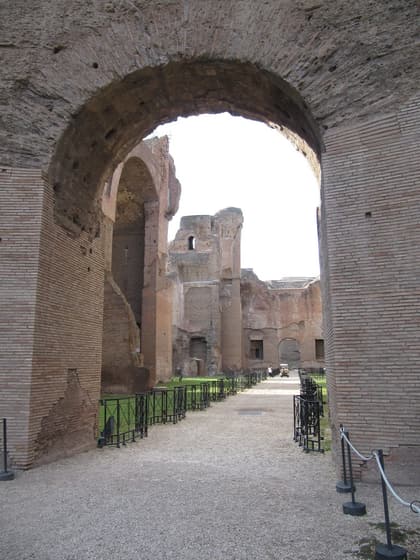
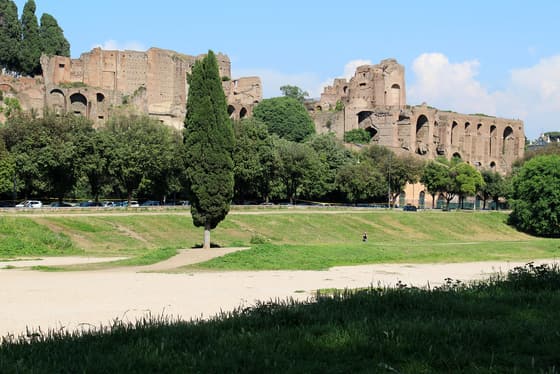
Municipio Roma I feels quintessentially Roman: layered with imperial ruins, grand churches, and pocket-sized viewpoints, yet still lively and walkable. Sightseeing is effortless, with landmarks like the Palatine, Tempio di Marte Ultore, and Santa Maria del Popolo nearby. Expect steady crowds, energetic streets, and strong café-and-restaurant character rather than late-night clubbing.
Iconic landmarks concentrated in a compact area
Excellent for walking between museums, ruins, and churches
Can feel crowded around major sights
Municipio Roma VII
40
Municipio Roma VII feels layered and lively, with working-class edges, student energy, and easy access to Rome’s historic core. It’s a practical base for sightseeing around Palatine-area landmarks and beyond, with dependable transit and everyday dining. Expect local traffic, some urban noise, and a mix of casual trattorie, bars, and neighborhood bustle rather than polished tourist calm.
Monti feels like Rome’s most walkable old-neighborhood blend of cobblestone charm, independent shops, and lively trattorias, with easy access to major sights like the Colosseum area and nearby historic churches and palaces. It suits travelers who want a stylish, central base with character rather than polished calm. Expect buzzy evenings, frequent foot traffic, and a neighborhood that rewards wandering over strict sightseeing efficiency.
Campo Marzio feels polished, central, and distinctly Roman, with elegant streets, designer shopping, and easy access to major sights. It suits travelers who want to drift between historic churches, riverfront promenades, and lively cafés without relying on transit much. Expect stylish crowds, steady daytime bustle, and evenings that are active but not rowdy.
Prati feels polished, residential, and confidently Roman, with broad boulevards, elegant buildings, and an orderly pace. It’s a convenient base for sightseeing near the Vatican and historic center, while still offering local cafes, trattorias, and low-key evening life. Crowds build near major sights, but the neighborhood itself stays relatively composed and less chaotic than central Rome.
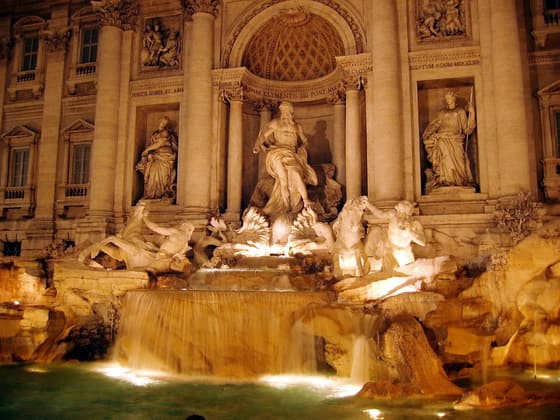
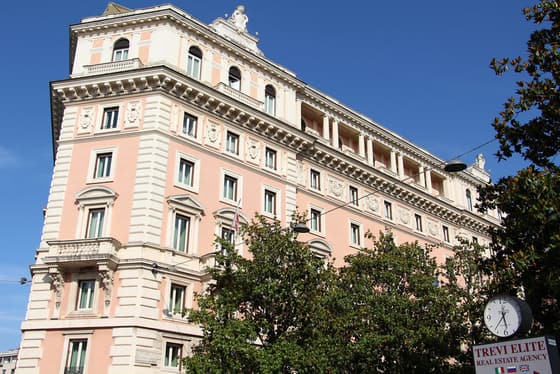
Trevi feels classic Rome at its most photogenic: tight lanes, ornate facades, and a steady hum of visitors rather than late-night chaos. It’s exceptionally convenient for sightseeing, with landmarks like Scale Gemonie and Saint Patrick’s nearby. Dining skews tourist-friendly and central, while evenings are lively but not rowdy; expect crowds and some ambient noise.
Castro Pretorio feels practical, central, and well-connected, with a steady city pace rather than postcard charm. It suits travelers who want easy transit access, quick movement to central sights, and a mix of local restaurants and casual evening options. Expect an urban, somewhat busy atmosphere with moderate noise and everyday Rome energy.
Excellent transport connections for exploring Rome.
Can feel busy and traffic-oriented.
National Roman Museum - The Baths of Diocletian · 0.0 km
Tuscolano feels like a lived-in Roman district: busy, practical, and more local than polished. Around Mercato Colli Albani, daily life spills into streets lined with cafes, bakeries, and casual eateries. Transit access is a major draw, making it a convenient base for reaching central sights without staying in the tourist crush.
Aurelio feels residential and authentically Roman, with a quieter, lived-in pace compared with the center. It offers practical sightseeing access toward Vatican-side landmarks, while transit links make reaching other parts of Rome manageable. Dining leans local and informal, nightlife is modest, and evenings are generally calmer than in busier central districts, though some streets can carry steady traffic.
Colonna feels polished and central, with elegant streets, civic landmarks, and easy access to Rome’s historic core. It suits travelers who want a lively urban base near sights like Santo Spirito in Sassia, Portico dei Leoni, and Saint Patrick’s American Catholic Church, while enjoying a blend of local bustle, culture, and efficient transport connections.
Portuense feels residential and lived-in, with a working-Rome rhythm rather than a polished tourist sheen. It’s a practical base for exploring the city: several landmarks sit within modest reach, while transit links help you move around easily. Dining skews local and unpretentious, evenings stay relatively low-key, and crowds are usually lighter than in the historic core.
Residential atmosphere with authentic local character
Less immediate sightseeing density than central neighborhoods
Basilica Papale Di San Paolo Fuori le Mura · 1.3 km
Municipio Roma XII feels like a layered Roman district where historic hilltop views, local life, and easy access to major sights mingle. It suits travelers who want a neighborhood base with character rather than polished nightlife, with calmer evenings, neighborhood dining, and straightforward connections into the city’s landmark-rich core.
Ostiense feels gritty, creative, and unmistakably Roman, with old industrial edges, bold street art, and a lively local rhythm. It’s well placed for exploring the city by metro, train, and bus, while nearby sights like Santo Spirito in Sassia and other central landmarks remain reachable. Expect energetic dining, casual nightlife, and a mix of locals and visitors.
Excellent transport links for wider Rome exploration
Can feel noisy, especially in busier evening areas
Basilica Papale Di San Paolo Fuori le Mura · 0.5 km
Ardeatino feels residential and spacious, with a quieter Roman rhythm than the historic center. It suits travelers who want local cafés, everyday dining, and easy access to major sights by transit rather than constant street bustle. Expect moderate noise near main roads, calmer evenings, and a more lived-in than touristy atmosphere.
Esquilino feels energetic, densely urban, and wonderfully transit-connected, with Rome’s central station, markets, and cosmopolitan dining creating a practical base for sightseeing. The neighborhood is lively, sometimes noisy and crowded, yet rewarding for travelers who like street life, easy public transport, and a less polished, more everyday Roman atmosphere near major sights.
Excellent transport links for exploring Rome
Can feel noisy and crowded, especially at peak times
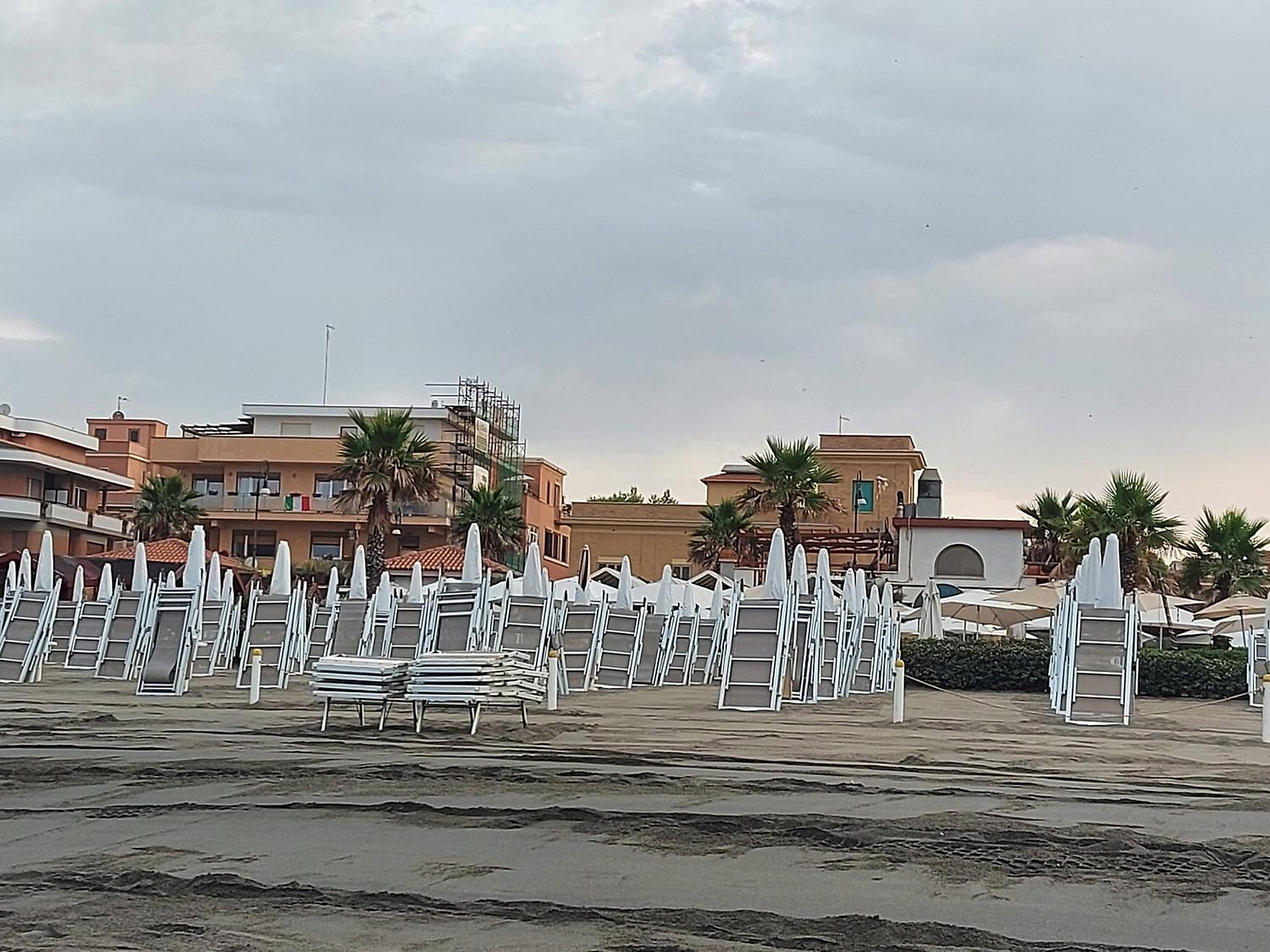
Lido di Ostia Levante feels like Rome’s breezy seaside edge: relaxed, local, and oriented toward beach life rather than monument-hopping. You get straightforward rail links into the city, but the mood stays coastal and residential, with casual seafood spots, family bustle, and livelier summer evenings. It suits travelers who want sea air, a less formal base, and easy day trips over nonstop sightseeing.
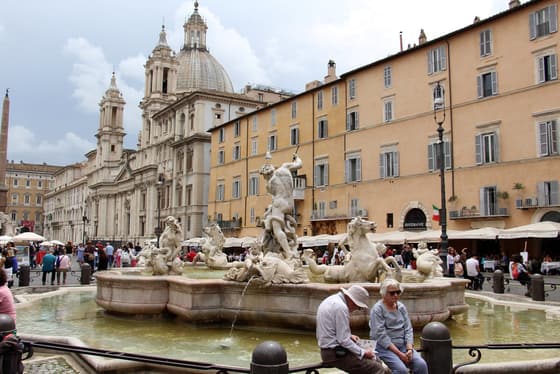
Parione feels like a compact, elegant slice of central Rome, where Renaissance façades, lively piazzas, and narrow lanes create a polished yet unmistakably local atmosphere. Sightseeing is easy on foot, with historic sites, churches, and monuments clustered nearby. Expect energetic daytime crowds, lively evenings, and a dining scene that leans toward classic Roman trattorias, wine bars, and people-watching terraces. Transport is mostly pedestrian and bus-oriented,
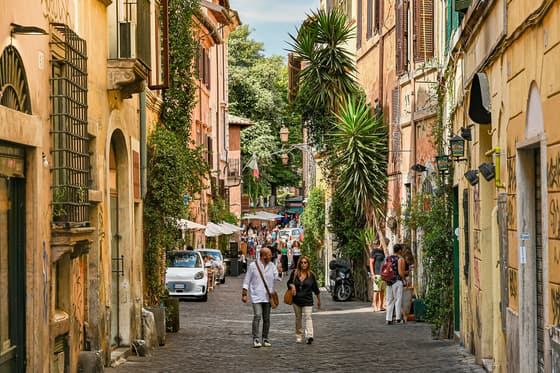
Trastevere feels like Rome at its most atmospheric: narrow lanes, ivy-draped facades, piazzas buzzing late, and a strong local-meets-bohemian energy. It’s excellent for wandering to nearby sights like Santo Spirito in Sassia, but evenings can be lively and noisy. Best for travelers who want character, food, and nightlife over calm.
Ludovisi feels polished and central, with embassy-lined streets, elegant cafés, and an easy jump to Rome’s classic sights. It suits travelers who want a quieter, upscale base near major attractions without the crush of the busiest core. Evenings are more subdued than raucous, with refined dining and gentle street life.
Municipio Roma XIV feels like a broad, lived-in northwest Rome district with a calmer residential pulse than the center, yet still within reach of major sights such as Santa Maria del Popolo and the Vatican-side museums. Transport tends to be practical rather than glamorous, with a mix of local streets, bus links, and some busy arteries. Dining skews neighborhood-casual, and evenings are generally low-key outside
Prenestino-Labicano feels like a lived-in, working Roman neighborhood: busy but not polished, with local markets, everyday cafés, tram-and-bus practicality, and a strong residential rhythm. It’s more about authentic city life than postcard sightseeing, though several landmarks are reachable elsewhere in the city. Expect some traffic noise, modest nightlife, and a practical base for travelers who prefer local texture over tourist crowds.
Trionfale feels like a lived-in Roman base: busy but not chaotic, with everyday cafés, local shops, and easy access toward the Vatican and central sights. It’s practical for sightseeing without feeling staged, mixing residential calm with steady street life. Expect moderate daytime bustle, workable transit links, and a local, unglamorous dining scene.
E.U.R. feels like Rome’s modernist showcase: broad avenues, monumental architecture, and a planned, almost businesslike calm. It’s convenient for sightseeing if you’re drawn to distinctive 20th-century urban design and large civic spaces, with transit-style movement rather than tangled old-town wandering. Dining and nightlife tend to be more restrained, with after-work energy, wider sidewalks, and fewer late-night crowds than central Rome.
Distinctive modernist architecture and urban design
Less intimate than Rome’s historic core
Basilica Papale Di San Paolo Fuori le Mura · 3.6 km
Sant'Eustachio feels central, elegant, and unmistakably Roman: a compact pocket of historic streets near major sights, where daytime sightseeing is easy and evenings stay lively without turning rowdy. Expect café culture, layered architecture, and steady pedestrian flow. It suits travelers who want old-city atmosphere, museum hopping, and flexible access to Rome’s core, with the Tiber-side landmarks and central monuments within easy reach.
Casal Morena feels like a quiet, outer-Rome residential pocket with a local, lived-in rhythm rather than a sightseeing buzz. It suits travelers who prefer everyday neighborhood atmosphere, lower-key dining, and straightforward transport access over dense monument hopping. The area is calmer and less touristy, so evenings are subdued and amenities feel primarily local.
Casal Palocco feels like a quiet, leafy Roman suburb with a residential, low-key pace and easy access by car to the city’s southern edge. It suits travelers who prefer calm evenings, local cafés, and a more lived-in neighborhood feel over dense sightseeing. Major central landmarks are not next door, so trips into Rome are part of the experience.
Castel Giubileo feels like a quiet, suburban pocket on Rome’s northern edge, with a lived-in, low-key atmosphere rather than classic postcard bustle. Sightseeing requires transit rather than strolling, but central landmarks like Santo Spirito in Sassia and the Vatican-side streets are reachable. Expect car-oriented movement, calmer nights, and modest local dining, making it best for travelers who prefer space over constant action.
Flaminio feels polished yet lively, with leafy avenues, museums, and easy access to central Rome’s sights. It’s a cultured base for tram and metro connections, near river walks and major attractions, but still calm enough for leisurely evenings. Expect elegant daytime bustle, stylish cafés, and a slightly upscale urban rhythm.
Excellent sightseeing access without constant chaos.
La Storta feels like a quiet, outer-Rome neighborhood with a suburban, lived-in rhythm rather than a tourist buzz. It suits travelers who prefer calmer evenings, local dining, and practical access by transit over dense sightseeing on the doorstep. Major central landmarks are reachable, but they are not immediately adjacent, so expect a more residential base than a monument-heavy one.
Calmer, more local atmosphere than central Rome
Limited immediate sightseeing within the neighborhood
Magliana Vecchia feels like a working Roman edge neighborhood: practical, lightly touristy, and more local than polished. Sightseeing is limited within the area itself, but it connects reasonably to Rome’s broader landmarks by transit. Expect everyday cafés, casual eateries, and a subdued evening scene rather than nightlife. It suits travelers who value authenticity, lower-key surroundings, and easy movement over postcard charm.
Municipio Roma XV feels residential and leafy, with a quieter, more local rhythm than central Rome. It suits travelers who want easy access to Rome’s northwestern sights and a calmer base, while still reaching major landmarks like Chiesa di Santa Maria del Popolo, Santa Maria della Concezione dei Cappuccini, and Fondazione Pastificio Cerere by transit. Dining is neighborhood-oriented, nightlife is low-key, and crowds stay lighter
Ostia Antica feels like a tranquil, history-steeped edge of Rome, where archaeology and riverine calm outweigh urban bustle. It’s ideal for travelers who want an evocative, low-key base near the ancient ruins, with easy access by transit rather than on-foot sightseeing density. Dining and nightlife stay modest, and evenings are typically quiet.
Ponte feels like a graceful, central Roman neighborhood where elegant lanes, historic churches, and riverside approaches create a polished, quietly lively atmosphere. It’s highly convenient for sightseeing around Vatican-adjacent and old-center landmarks, with easy transport access and a mix of refined dining, relaxed aperitivo spots, and gentle evening buzz rather than wild nightlife. Expect some foot traffic and urban hum, especially near the busiest connectors.
Tomba di Nerone feels like a relaxed northern Rome neighborhood, more residential than monumental, with everyday traffic and a quieter rhythm than the historic center. It suits travelers who prefer a local base with straightforward bus connections toward central sights like Santo Spirito in Sassia, Saint Patrick’s, and the Vatican area, while nearby streets and eateries keep the mood low-key and practical.
Quieter, residential atmosphere away from tourist crushes.
Limited headline sightseeing within the neighborhood itself.
Acilia Nord feels like a low-key, residential edge of Rome: practical, spread out, and far from the city’s dense historic-core bustle. It suits travelers who prefer a local, everyday atmosphere and don’t mind using transport to reach central sights like Santo Spirito in Sassia, Saint Patrick’s American Catholic Church, or the Biblioteca Centrale per i Ragazzi area.
Quiet, residential atmosphere with local character
Appio-Latino feels like a lived-in Roman district: residential, practical, and more local than postcard-pretty. It offers easy neighborhood dining, market life, and solid transit links, making central sights reachable without staying in the thickest tourist crush. Expect moderate bustle, some traffic noise, and an everyday urban rhythm rather than a polished, nightlife-heavy scene.
Capannelle feels like a practical, outer-Rome base with a low-key suburban rhythm rather than a classic sightseeing quarter. It suits travelers who value transport access, especially around rail and road connections, and don’t mind relying on transit to reach central landmarks. Dining and nightlife are modest, with quieter evenings and fewer late-night crowds.
Castel di Decima feels like Rome’s southern edge breathing room: low-rise, quiet, and more suburban-rural than central. It suits travelers who want a calmer base with easy access by car or transit, while major sights remain a long ride away. Expect limited nightlife, softer noise, and a local, unhurried pace rather than postcard bustle.
Calm, low-density atmosphere with plenty of breathing room.
Castel Fusano feels like Rome’s wild seaside edge: pinewoods, dunes, and a low-key residential stretch where the city softens into the coast. Sightseeing is more about nature and open space than dense monuments, with the main historic core of Rome relatively far away. Transport feels car- or bike-oriented, nightlife is subdued, crowds thin out, and the atmosphere stays breezy, quiet, and outdoorsy—best for travelers who
Della Vittoria feels residential and composed, with tree-lined avenues, local cafés, and an easygoing Roman rhythm just outside the city’s most hectic core. It’s convenient for reaching central sights without living in the crush of them, and suits travelers who prefer neighborhood life, transit access, and calm evenings over nonstop tourist buzz.
Don Bosco feels like a lived-in Roman suburb: practical, residential, and less polished than the historic center. Sightseeing is indirect rather than doorstep-easy, but transit and major roads make the city accessible. Expect everyday cafes, local eateries, and a low-key evening scene, with moderate urban noise and mostly resident-focused rhythms.
Fonte Ostiense feels like a pragmatic, outer-Rome neighborhood with an everyday local rhythm rather than postcard gloss. It suits travelers who prefer quieter evenings, easy access by transit, and a less tourist-saturated base. Nearby sights are spread out, so convenience depends more on public transport than walkability.
Monte Sacro feels residential and lived-in, with a calm Roman rhythm, leafy streets, and a local rather than tourist-first atmosphere. It suits travelers who want everyday neighborhood life, easy access by public transport, and quieter evenings. Sights are scattered rather than dense, so it works best as a base for exploring Rome beyond the center.
Municipio Roma XI feels like a lived-in, broad Roman district where everyday rhythms outweigh tourist spectacle. Sightseeing requires planning, though major central landmarks such as Capanne del Palatino, Tempio di Marte Ultore, and Santa Maria del Popolo are reachable from parts of the area. Expect practical transport links, local dining, modest nightlife, and generally fewer crowds than Rome’s core.
More local, less relentlessly touristy feel
Sightseeing is less immediate than in the historic center
Basilica Papale Di San Paolo Fuori le Mura · 3.4 km
Pietralata feels like a working Rome neighborhood with a local, unpolished rhythm: less postcard charm, more everyday city life. It’s convenient for reaching central sights by transit rather than on foot, with a practical, commuter-style transport character. Dining skews casual and neighborhood-focused, while evenings stay relatively low-key. Expect moderate crowds, more local than tourist noise, and a good fit for travelers who prefer authenticity over
Pinciano feels elegant and residential, with leafy avenues, embassies, and a polished Roman calm. It’s convenient for reaching central sights without living inside the busiest tourist crush, and transit access is practical rather than flashy. Dining skews refined and local, nightlife stays subdued, and evenings are generally quieter than in the historic core.
Tiburtino feels like a lived-in Roman crossroads: gritty, local, and energetic rather than polished. It offers straightforward access to central sights, plus easy transit connections that suit independent explorers. Expect everyday trattorie, neighborhood bars, and an unvarnished urban rhythm. Crowds are moderate, noise can be lively, and the appeal is in authentic city life.
Torre Gaia feels like a quiet, residential edge of Rome, with a suburban rhythm, modest street life, and a practical base for exploring the city by transit. It suits travelers who prefer low-key evenings, less tourist bustle, and a more local everyday atmosphere than central neighborhoods.
Torrenova feels like a practical eastern Rome neighborhood: residential, low-key, and more everyday than picturesque. It’s better for travelers who want local life, simple transit access, and a quieter base than for sightseers chasing iconic monuments. Dining skews casual and neighborhood-oriented, with limited nightlife and modest evening buzz.
Quiet, lived-in Roman neighborhood atmosphere
Few major sights within the immediate neighborhood
Trieste feels residential and self-contained, with a calmer, more local Roman rhythm than the busiest central districts. It offers straightforward sightseeing access to nearby churches, museums, and historic sites, while everyday life, neighborhood dining, and transit links keep it practical. Expect moderate bustle, some street noise, and an easygoing, lived-in atmosphere.
Appio-Pignatelli feels residential and low-key, with a Rome-youngest edge from arterial roads, pockets of greenery, and easy access to the Appia Antica area. It suits travelers who prefer local routines over postcard bustle, with modest dining and nightlife centered more on neighborhood bars than late scenes. Sightseeing is less immediate, but transport links connect reasonably to central landmarks like Corsia Sistina and the Vatican side
Collatino feels like a lived-in eastern Rome neighborhood: residential, practical, and less tourist-saturated than the historic center. Expect everyday Roman life, local shops, and straightforward transport rather than postcard scenery. Sightseeing is more convenient by transit than on foot, with notable sites and landmarks scattered around the wider city. Dining is mainly casual and local, nightlife is modest, and the mood is generally calmer, though
Giuliano-Dalmata feels like a planned, residential Roman district with a calmer, more local rhythm than the historic center. It suits travelers who prefer easy metro or bus connections over constant sightseeing on the doorstep. Dining is practical rather than buzzy, nightlife is limited, and evenings stay relatively quiet. Nearby landmark access is more indirect than immediate.
Calmer, residential atmosphere with local character
Lido di Ostia Ponente feels like a breezy, working-seaside Roman neighborhood with a more local, lived-in rhythm than central Rome. It suits travelers who want easy beach access, casual waterfront dining, and a relaxed base for slow strolls and regional transit rather than dense sightseeing. Expect everyday bustle, some noise, and an authentic coastal atmosphere.
Beachy, local atmosphere with a real neighborhood feel
Nomentano feels like a lived-in Rome neighborhood: elegant but unflashy, with leafy streets, local cafés, and easy access to major sights without constant tourist frenzy. It suits travelers who want good transit, a residential rhythm, and a base for museum-hopping, neighborhood dining, and straightforward city exploring rather than postcard crowds or late-night chaos.
Excellent transit and cross-city access
Less iconic street life than central districts
National Roman Museum - The Baths of Diocletian · 1.5 km
Pigna feels like a compact, historic knot of Rome: shaded lanes, Renaissance facades, and an easy drift between churches, piazzas, and hidden civic landmarks like Scale Gemonie and Corsia Sistina. It’s wonderfully central for sightseeing, with lively daytime foot traffic, modest nighttime energy, and occasional bustle and noise from the city’s dense urban rhythm.
Primavalle feels like a lived-in northwest Rome neighborhood with a local, residential rhythm rather than a postcard-center buzz. Sightseeing is less immediate than in the core, but transit makes the city reachable, including landmarks like Santo Spirito in Sassia, Saint Patrick’s, and nearby museums. Expect everyday eateries, modest nightlife, and a generally quieter, more authentic pace.
Torrino feels like a modern, residential corner of Rome with a calmer pace than the historic center. It suits travelers who prefer wide streets, local dining, and easy road connections over constant sightseeing bustle. Major landmarks are not immediate neighbors, so it works better as a quiet base than an immersion stay.
Val Melaina feels residential and distinctly local, with everyday Roman life replacing postcard bustle. It offers a calmer base with straightforward transport links, useful for travelers who prefer authentic neighborhoods over constant sightseeing. Dining is practical and neighborhood-driven, while nightlife stays low-key. Crowds are modest, noise is generally manageable, and major sights sit beyond the immediate area, so it suits visitors happy to commute for
Local atmosphere, away from tourist crushes.
Major landmarks are not in the immediate surroundings.
Campitelli feels like a compact, deeply historic pocket of Rome, where ancient stones, church facades, and quiet lanes create a museum-like atmosphere. Sightseeing is highly convenient for landmark-hopping, while transport is typically best handled on foot with occasional public transit elsewhere nearby. Dining and nightlife are modest, leaning toward nearby central-Rome options rather than a busy local scene. Expect steady daytime visitors, calmer evenings, and
Casalotti feels like a low-key, residential pocket on Rome’s northwest edge, more suburban calm than postcard center. It suits travelers who prefer everyday local life, quieter evenings, and easy road-based access over walkable sightseeing. Major landmarks are not immediate, so visits usually mean planning transit or rides into central Rome.
Castel di Leva feels like a quiet southern fringe of Rome, with a semi-rural, low-key character that suits travelers seeking space and calm over classic sightseeing density. It’s far from the city’s main monuments, so visits to landmarks like Santo Spirito in Sassia or the historic center require deliberate transit planning. Expect subdued evenings, minimal nightlife, and a local, car-oriented rhythm.
Lunghezza feels like a quiet eastern Rome fringe: more residential than touristed, with a low-key, local rhythm and relatively easy access to the city by rail or road. It’s better for travelers who prefer calm bases and everyday Roman life over nightlife, dense sightseeing, or polished dining scenes. Expect modest crowds, subdued evenings, and a practical rather than picturesque transport character.
Calm, local atmosphere away from tourist intensity
Marcigliana feels like a rural-edge pocket of Rome: quiet, green, and spacious, with a low-key local rhythm far from the city’s dense historic center. It suits travelers who prefer nature, slower mornings, and a car-based or transit-linked base rather than nightlife. Sightseeing means longer rides to central landmarks, while evenings stay calm and subdued.
Municipio Roma XIII feels spacious, residential, and distinctly Roman, with quieter streets, leafy corners, and an easygoing local rhythm. It suits travelers who want access to major sights without staying in the thickest crowds. Expect moderate transport links, relaxed dining, and calmer evenings than central Rome, with landmark access that still feels practical.
Ottavia feels like a low-key, suburban pocket of northwest Rome: residential, practical, and calmer than the historic core. It suits travelers who prefer local routines, easier transport links, and a less touristy base while still reaching central sights by transit. Dining is modest and neighborhood-driven, with evenings generally quiet rather than lively.
Parioli feels polished, leafy, and quietly upscale, with embassy-lined avenues, elegant villas, and a restrained Roman rhythm. It suits travelers who prefer calm, local cafés, and easy sightseeing access without the chaos of the center. Nearby landmarks like Saint Patrick's American Catholic Church and Portico dei Leoni are reachable within the broader area.
Leafy, elegant streets with a refined local feel.
Nightlife is limited and subdued.
Galleria Nazionale D’Arte Moderna E Contemporanea · 1.7 km
Prenestino-Centocelle feels like a lived-in, working Rome rather than a postcard district: markets, trattorie, corner bars, and everyday neighborhood rhythm. It’s not a classic sightseeing base, but transit makes central landmarks reachable, including Mercato Colli Albani, Museo Parigino, and, farther out, historic sites like Santo Spirito in Sassia and the Vatican-side churches. Expect local bustle, modest nightlife, and a mostly residential, unpolished atmosphere.
Authentic neighborhood feel, not tourist-saturated.
Regola feels like classic central Rome at its most atmospheric: narrow lanes, baroque facades, and a lived-in neighborhood rhythm just west of Campo de’ Fiori and within easy reach of major sights like Santo Spirito in Sassia and the Vatican edge. Expect lively dining streets, evening buzz, and some crowding, with enough local character to reward wandering off the main routes.
Excellent base for walking to iconic central sights.
Sallustiano is a polished, centrally placed Roman neighborhood with a calmer, more residential feel than the busiest tourist cores. It suits travelers who want easy access to major sights like Saint Patrick’s American Catholic Church and the central historic area, while returning to a comparatively subdued base with elegant streets, light evening activity, and manageable crowds.
Central for sightseeing without constant tourist crush
San Basilio feels like a lived-in, outer-Rome neighborhood with an everyday rhythm rather than a polished tourist mood. It’s practical for travelers who want local streets, markets, and a more residential feel than the historic center. Sights are not clustered nearby, so visits usually mean using transit for most major landmarks.
Sant'Angelo feels intimate and historic, with narrow lanes, river-adjacent calm, and a lived-in Roman atmosphere that softens as evening falls. It’s convenient for wandering to nearby sights like Santo Spirito in Sassia, Scale Gemonie, and Biblioteca Centrale per i Ragazzi, while still offering neighborhood-scale dining and easy access to central Rome’s bustle.
Tor Cervara feels like a raw, working-edge Rome neighborhood: practical, spacious, and more local than polished. Sightseeing is not the main draw, though several listed landmarks sit across the city rather than right around the corner. Transport tends to be car- and commuter-oriented, with less tourist bustle, subdued nightlife, and a quieter, more industrial rhythm than central Rome.
Tor de' Cenci feels like a low-rise, suburban edge of Rome—calm, residential, and far from the city’s dense historic core. It suits travelers who prefer a quieter local rhythm over sightseeing on foot, with limited spontaneous dining and nightlife but easier access to the wider southern outskirts by car or bus.
Tor Sapienza feels like gritty east-Rome, more residential and local than postcard-pretty, with industrial edges, everyday markets, and a lived-in rhythm. It’s better for travelers using transit than for sightseers, since major landmarks are scattered elsewhere across the city. Expect low-key dining, limited nightlife, and generally calmer evenings than central Rome.
Torre Maura feels like a working Roman suburb: practical, local, and low-key rather than postcard-polished. Expect everyday apartment blocks, neighborhood shops, and a transport character shaped by bus and metro connections toward central Rome. Dining is casual and modest; nightlife is limited. Crowds stay lighter, noise is mostly traffic and daily life.
Torre Spaccata feels like a working Rome suburb: residential, practical, and less polished than the historic core. Sightseeing is indirect rather than immediate, with major landmarks reachable by transport, not by strolling out the door. Expect local shops, modest dining, little nightlife, and a quieter, car-oriented rhythm with periodic commuter traffic.
Everyday Roman atmosphere without heavy tourist crowds.
Torricola feels like a low-key Roman fringe, more suburban sprawl than postcard neighborhood. It suits travelers who want a quieter, local base with practical access by car or transit to southeastern Rome and beyond, rather than immediate sightseeing on the doorstep. Expect ordinary streets, modest dining options, and a calm, lightly trafficked atmosphere.
Acqua Vergine feels like a quiet, historically layered slice of Rome where water, ruins, and local life intersect. Sightseeing is best for travelers who don’t need a packed monument cluster at the doorstep, but appreciate using transit to reach nearby landmarks such as Santo Spirito in Sassia, Saint Patrick’s American Catholic Church, and other city-center sights. The mood is low-key and reflective, with limited nightlife
Aeroporto di Ciampino feels like a practical, transit-first edge of Rome: mostly airport activity, road access, and quick connections rather than lingering street-life. Sightseeing is limited nearby, but central landmarks are reachable by transport. Dining and nightlife are modest, crowds are functional, and noise can rise with flight traffic.
Excellent for early flights and quick departures
Limited neighborhood sightseeing and evening atmosphere
Alessandrino feels distinctly local and residential, with a lived-in Roman rhythm rather than a postcard center atmosphere. Sightseeing convenience is modest, but the area works well for travelers who value everyday neighborhoods, easy access to eastern Rome, and low-key dining over major-nightlife energy. Expect moderate urban noise, practical transport links, and few headline sights nearby.
Celio feels steeped in imperial Rome yet calmer than the city’s busiest cores. It’s a handsome, walkable base for exploring major sights, with easy access to Colosseum-area landmarks and leafy streets that soften the pace. Dining skews local and relaxed rather than buzzy, and nights are generally quieter, making it appealing for culture-first travelers.
Grottarossa feels like a low-key, residential northern Rome base with a calmer, suburban rhythm than the historic center. It suits travelers who prefer local routines, easy access by transit or car, and quieter evenings, while still reaching major sights across the city rather than stepping straight into them.
Isola Farnese feels like a quiet village fringe on Rome’s northwest edge, with a low-key, old-world atmosphere and very limited nightlife. It suits travelers who prefer a slower base and don’t mind relying on transport for major sights like Santo Spirito in Sassia, Saint Patrick’s, and other central landmarks rather than being in the middle of the action.
Calm, village-like atmosphere away from central bustle.
La Pisana feels like a low-key, residential edge of Rome: quieter streets, everyday life, and a far more local rhythm than the center. It suits travelers who want a calm base and don’t mind relying on transit or longer rides to reach major sights like Santo Spirito in Sassia or the city’s historic core. Dining is practical rather than buzzy, and nightlife is limited.
Labaro feels like a quiet, outer-Rome neighborhood with a more residential, lived-in rhythm than the city center. It suits travelers who prefer local transport and an unhurried base, with occasional access to scattered sights rather than dense sightseeing. Dining and nightlife are modest, so evenings are generally calm and low-key.
Ponte Galeria feels like Rome’s far western edge: practical, spread out, and more commuter corridor than postcard district. It’s useful for travelers who value easy regional transit and an unpolished local rhythm over sightseeing immersion. Nearby highlights are generally elsewhere in Rome, so the area suits basecamp-style stays rather than wandering from landmark to landmark.
Good for regional rail and airport-side transit access.
Limited walkable sightseeing within the neighborhood itself.
Prima Porta feels like a green, low-rise northern Roman edge: more suburban than postcard-urban, with a calmer rhythm than central Rome. Sightseeing is mainly indirect, with major landmarks like Santo Spirito in Sassia, Portico dei Leoni, and other central sites farther away. Transport is practical rather than scenic, and the area suits travelers wanting quieter local streets, everyday dining, and a base away from dense
Salario feels refined and residential, with leafy avenues, elegant apartment blocks, and a calm local rhythm rather than a tourist crush. It suits travelers who want easy access to central Rome’s sights and transit without living inside the busiest historic-core bustle. Expect understated dining, relaxed evenings, and more neighborhood life than nightlife.
Settecamini feels like Rome’s outer-edge working neighborhood: practical, low-key, and more local than postcard-pretty. It suits travelers who prefer easy road access and a calmer base over sightseeing on the doorstep. Major landmarks sit well outside the immediate area, so daily exploring usually means planning transport rather than wandering out on foot.
Tor di Quinto feels like a spacious northern Rome pocket where residential calm meets weekday traffic and sports-club energy. It’s not a classic sightseeing base, but it offers easier movement by car or transit toward central landmarks like Santo Spirito in Sassia and Saint Patrick’s. Evenings stay relatively quiet, with dining skewing local and relaxed rather than nightlife-driven.
Calmer, more residential atmosphere than central Rome.
Limited immediate sightseeing compared with central neighborhoods.
Tor San Giovanni feels like a lived-in Roman neighborhood rather than a tourist stage: practical, residential, and shaped more by daily routines than postcard sights. It has limited immediate sightseeing, but good access to city excursions and local errands, with a quieter, lower-key dining scene than central Rome. Expect moderate noise from traffic and everyday life, especially near main roads.