Basilica Papale Di San Paolo Fuori le Mura
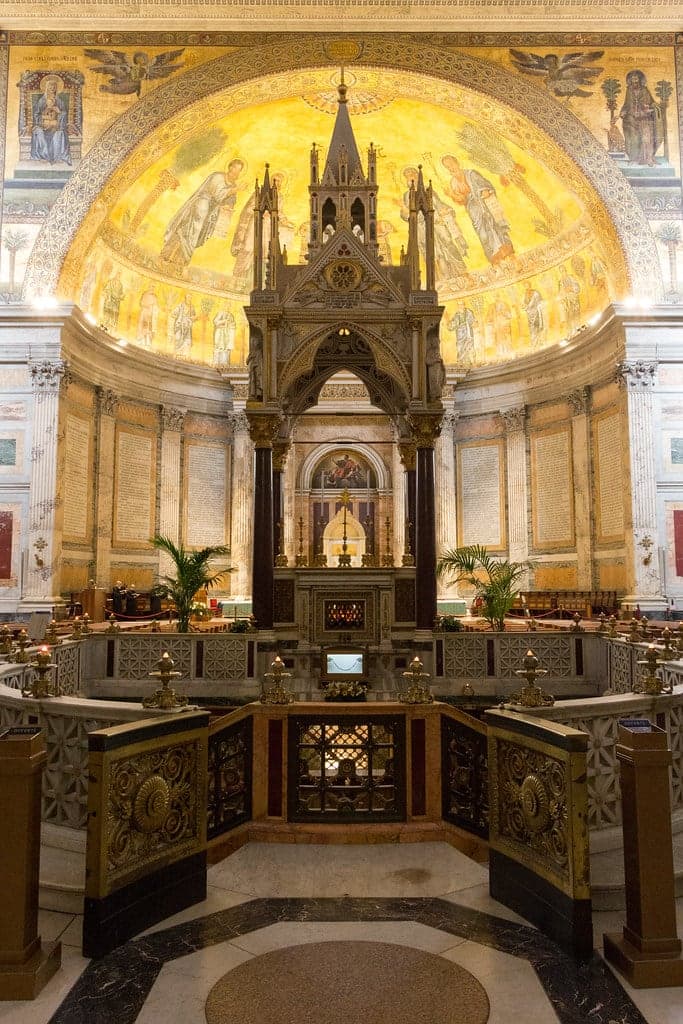
A major papal basilica in Rome built over the traditional burial place of the Apostle Paul. It is one of the city's four major ancient basilicas and is known for its large nave, mosaics, and cloister.
Neighborhood
Municipio Roma VIII feels lived-in and distinctly Roman: a mix of leafy residential streets, local services, and easy access to major ancient sites like the Palatine and Temple of Mars Ultor. It suits travelers who want neighborhood texture over polished tourism, with straightforward transit, modest dining options, and generally calmer evenings than the central historic core.

The feel
Municipio Roma VIII feels lived-in and distinctly Roman: a mix of leafy residential streets, local services, and easy access to major ancient sites like the Palatine and Temple of Mars Ultor. It suits travelers who want neighborhood texture over polished tourism, with straightforward transit, modest dining options, and generally calmer evenings than the central historic core.
Good access to major archaeological sights.
Local dining feels authentic and unflashy.
Less tourist-saturated than central Rome.
Things to do

A major papal basilica in Rome built over the traditional burial place of the Apostle Paul. It is one of the city's four major ancient basilicas and is known for its large nave, mosaics, and cloister.

A regional park in Rome that protects a long stretch of the historic Appian Way and surrounding archaeological landscape. It includes ancient roads, tombs, aqueducts, and other remains along one of the city's most important Roman-era corridors.

The Catacombs of Saint Sebastian are an early Christian burial complex on the Via Appia Antica in Rome. They are among the best-known catacombs in the city and are associated with Saint Sebastian.

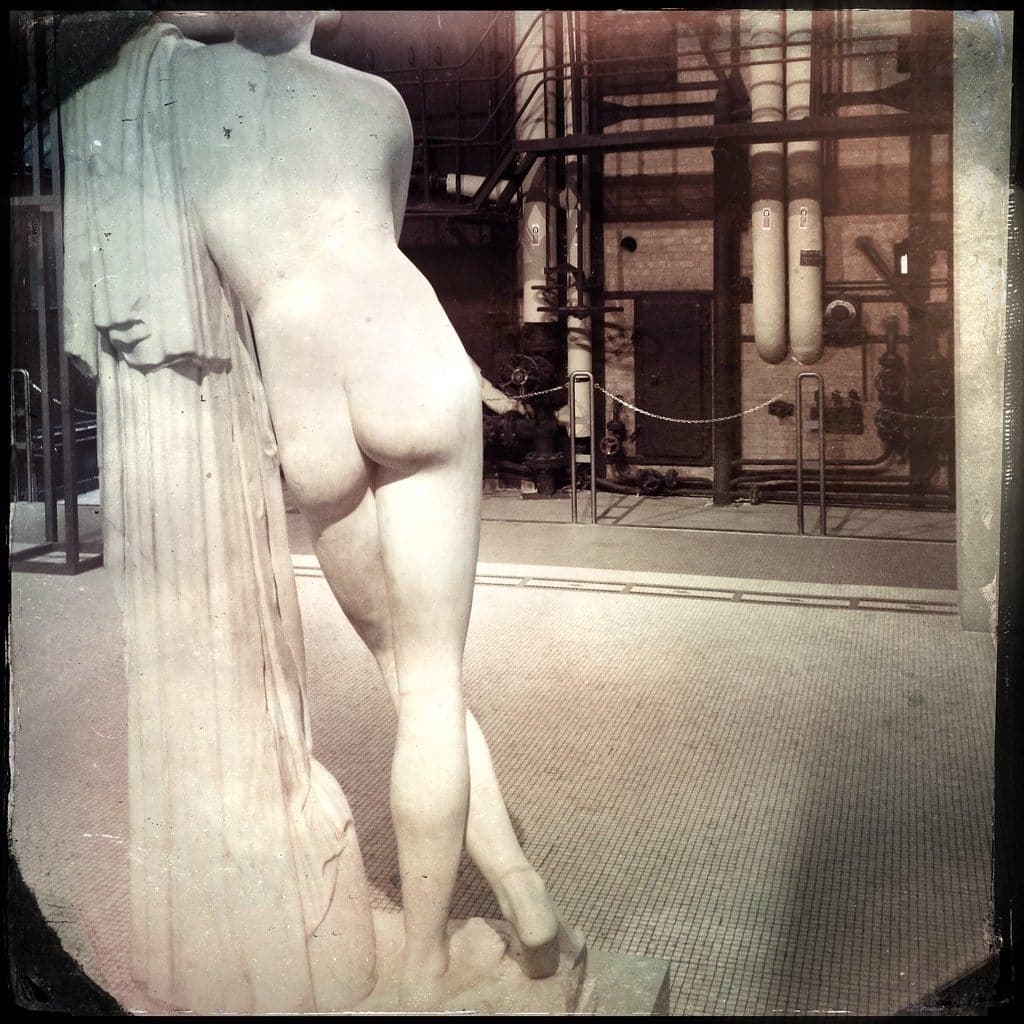
Centrale Montemartini is a museum in Rome housed in a former power plant on Via Ostiense. It is part of the Capitoline Museums and is known for displaying classical sculptures and archaeological finds amid industrial machinery.

The Appian Way is one of the earliest and most important Roman roads, originally built in 312 BCE. In Rome, Via Appia Antica refers to the historic section of the road that still survives outside the city center.

The Mausoleum of the Ardeatine Caves is a memorial complex in Rome built at the site of the 1944 Ardeatine massacre, where 335 civilians and political prisoners were killed by Nazi قوات occupying the city. It honors the victims and preserves the burial site.
More things to do
Find more places across Roma by choosing a category.
Explore another neighborhood
Neighborhood
Municipio Roma I feels quintessentially Roman: layered with imperial ruins, grand churches, and pocket-sized viewpoints, yet still lively and walkable. Sightseeing is effortless, with landmarks like the Palatine, Tempio di Marte Ultore, and Santa Maria del Popolo nearby. Expect steady crowds, energetic streets, and strong café-and-restaurant character rather than late-night clubbing.
Neighborhood
Campitelli feels like a compact, deeply historic pocket of Rome, where ancient stones, church facades, and quiet lanes create a museum-like atmosphere. Sightseeing is highly convenient for landmark-hopping, while transport is typically best handled on foot with occasional public transit elsewhere nearby. Dining and nightlife are modest, leaning toward nearby central-Rome options rather than a busy local scene. Expect steady daytime visitors, calmer evenings, and
Neighborhood
Municipio Roma II feels like a cultured, central Rome base with a mix of grand historic sights and creative, lived-in neighborhoods. Around Santa Maria del Popolo, Santa Maria della Concezione dei Cappuccini, and Fondazione Pastificio Cerere, you get easy sightseeing variety, lively streets, and strong transit links, but also city noise, bustle, and a steady flow of visitors.
Neighborhood
Monti feels like Rome’s most walkable old-neighborhood blend of cobblestone charm, independent shops, and lively trattorias, with easy access to major sights like the Colosseum area and nearby historic churches and palaces. It suits travelers who want a stylish, central base with character rather than polished calm. Expect buzzy evenings, frequent foot traffic, and a neighborhood that rewards wandering over strict sightseeing efficiency.