
Art Museums
Galleria Borghese
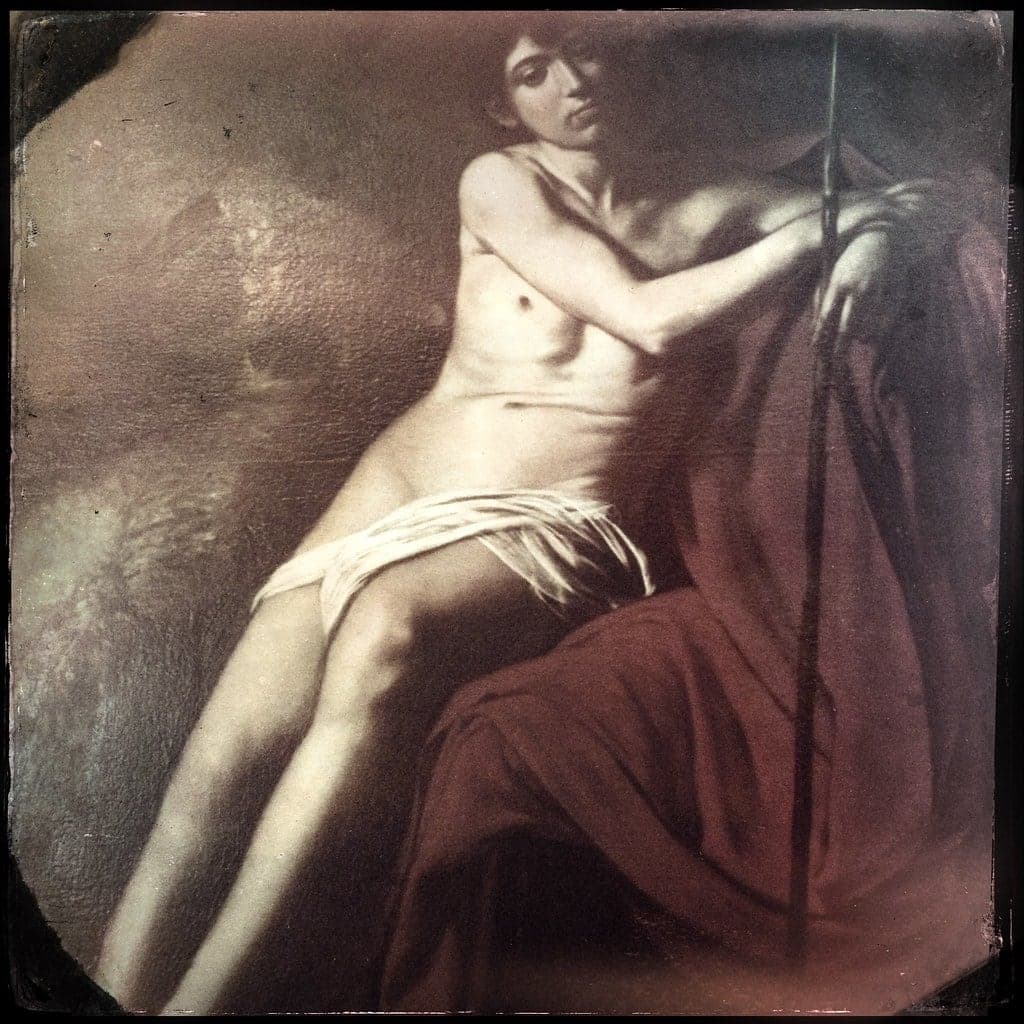
The Galleria Borghese is a renowned art museum in Rome, housed in the Villa Borghese Pinciana. It is especially known for its collection of works by Bernini, Caravaggio, Canova, and Raphael.
4.618K reviews
Neighborhood
Pinciano feels elegant and residential, with leafy avenues, embassies, and a polished Roman calm. It’s convenient for reaching central sights without living inside the busiest tourist crush, and transit access is practical rather than flashy. Dining skews refined and local, nightlife stays subdued, and evenings are generally quieter than in the historic core.

The feel
Pinciano feels elegant and residential, with leafy avenues, embassies, and a polished Roman calm. It’s convenient for reaching central sights without living inside the busiest tourist crush, and transit access is practical rather than flashy. Dining skews refined and local, nightlife stays subdued, and evenings are generally quieter than in the historic core.
Leafy, refined streets with a calmer rhythm
Good base for central sightseeing and transit
Dining leans polished, not touristy
Things to do
The Galleria Borghese is a renowned art museum in Rome, housed in the Villa Borghese Pinciana. It is especially known for its collection of works by Bernini, Caravaggio, Canova, and Raphael.

Rome’s national museum dedicated to modern and contemporary art, with a collection spanning Italian and international artists from the 19th century to the present.

Villa Borghese is a large landscaped public park in central Rome, surrounding the historic Villa Borghese estate. It is known for its gardens, museums, and promenades.

An ancient Roman temple dedicated to Asclepius, the Greco-Roman god of medicine. It is associated with the Villa Borghese area in Rome.

A large oval event space in Villa Borghese, Rome, best known for hosting the annual CSIO Rome international show jumping competition.

A marble sculpture by Gian Lorenzo Bernini, created between 1621 and 1622, depicting Pluto abducting Proserpina. It is housed in the Galleria Borghese in Rome.
More things to do
Find more places across Roma by choosing a category.
Explore another neighborhood
 #1274 things to do
Neighborhood
Municipio Roma I feels quintessentially Roman: layered with imperial ruins, grand churches, and pocket-sized viewpoints, yet still lively and walkable. Sightseeing is effortless, with landmarks like the Palatine, Tempio di Marte Ultore, and Santa Maria del Popolo nearby. Expect steady crowds, energetic streets, and strong café-and-restaurant character rather than late-night clubbing.
 #237 things to do
Neighborhood
Campitelli feels like a compact, deeply historic pocket of Rome, where ancient stones, church facades, and quiet lanes create a museum-like atmosphere. Sightseeing is highly convenient for landmark-hopping, while transport is typically best handled on foot with occasional public transit elsewhere nearby. Dining and nightlife are modest, leaning toward nearby central-Rome options rather than a busy local scene. Expect steady daytime visitors, calmer evenings, and
 #329 things to do
Neighborhood
Municipio Roma II feels like a cultured, central Rome base with a mix of grand historic sights and creative, lived-in neighborhoods. Around Santa Maria del Popolo, Santa Maria della Concezione dei Cappuccini, and Fondazione Pastificio Cerere, you get easy sightseeing variety, lively streets, and strong transit links, but also city noise, bustle, and a steady flow of visitors.
 #427 things to do
Neighborhood
Monti feels like Rome’s most walkable old-neighborhood blend of cobblestone charm, independent shops, and lively trattorias, with easy access to major sights like the Colosseum area and nearby historic churches and palaces. It suits travelers who want a stylish, central base with character rather than polished calm. Expect buzzy evenings, frequent foot traffic, and a neighborhood that rewards wandering over strict sightseeing efficiency.