
Porta Pia
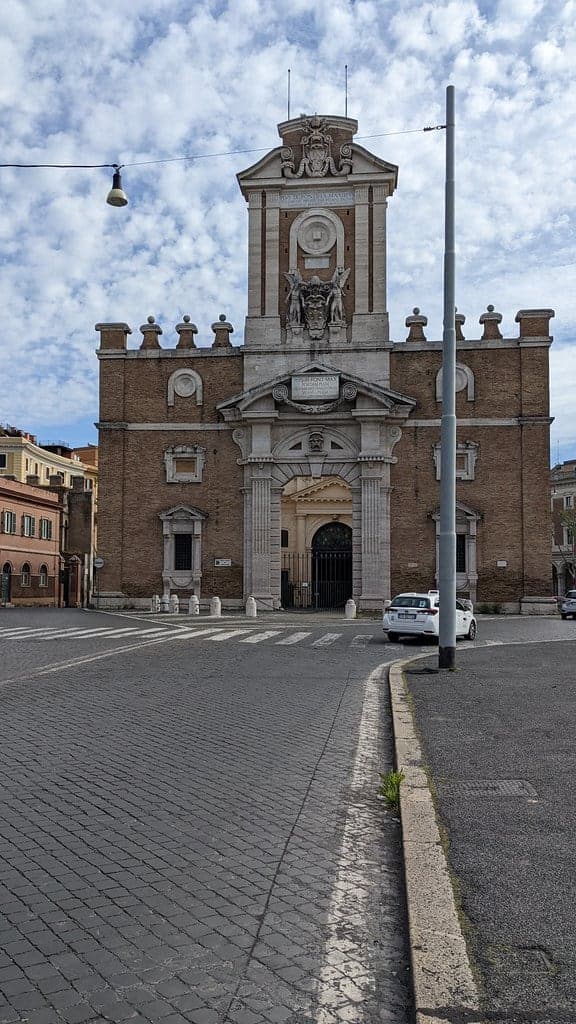
Porta Pia is a 16th-century city gate in Rome, designed by Michelangelo for Pope Pius IV. It is located at the end of Via Nomentana and is one of the notable landmarks along the former Aurelian Walls.
Neighborhood
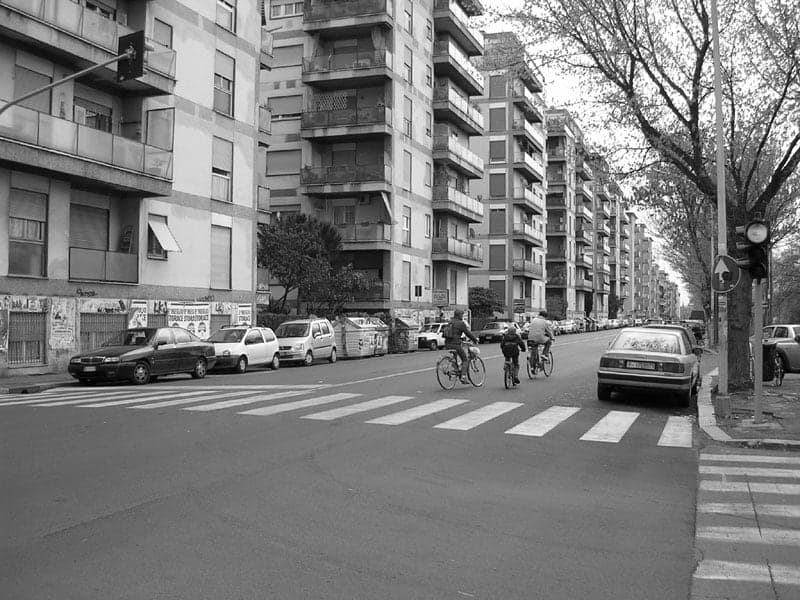
Salario feels refined and residential, with leafy avenues, elegant apartment blocks, and a calm local rhythm rather than a tourist crush. It suits travelers who want easy access to central Rome’s sights and transit without living inside the busiest historic-core bustle. Expect understated dining, relaxed evenings, and more neighborhood life than nightlife.

The feel
Salario feels refined and residential, with leafy avenues, elegant apartment blocks, and a calm local rhythm rather than a tourist crush. It suits travelers who want easy access to central Rome’s sights and transit without living inside the busiest historic-core bustle. Expect understated dining, relaxed evenings, and more neighborhood life than nightlife.
Elegant, leafy, residential atmosphere
Good base for central sightseeing access
Calmer than Rome’s busiest districts
Things to do
More things to do
Find more places across Roma by choosing a category.
Explore another neighborhood
Neighborhood
Municipio Roma I feels quintessentially Roman: layered with imperial ruins, grand churches, and pocket-sized viewpoints, yet still lively and walkable. Sightseeing is effortless, with landmarks like the Palatine, Tempio di Marte Ultore, and Santa Maria del Popolo nearby. Expect steady crowds, energetic streets, and strong café-and-restaurant character rather than late-night clubbing.
Neighborhood
Campitelli feels like a compact, deeply historic pocket of Rome, where ancient stones, church facades, and quiet lanes create a museum-like atmosphere. Sightseeing is highly convenient for landmark-hopping, while transport is typically best handled on foot with occasional public transit elsewhere nearby. Dining and nightlife are modest, leaning toward nearby central-Rome options rather than a busy local scene. Expect steady daytime visitors, calmer evenings, and
Neighborhood
Municipio Roma II feels like a cultured, central Rome base with a mix of grand historic sights and creative, lived-in neighborhoods. Around Santa Maria del Popolo, Santa Maria della Concezione dei Cappuccini, and Fondazione Pastificio Cerere, you get easy sightseeing variety, lively streets, and strong transit links, but also city noise, bustle, and a steady flow of visitors.
Neighborhood
Monti feels like Rome’s most walkable old-neighborhood blend of cobblestone charm, independent shops, and lively trattorias, with easy access to major sights like the Colosseum area and nearby historic churches and palaces. It suits travelers who want a stylish, central base with character rather than polished calm. Expect buzzy evenings, frequent foot traffic, and a neighborhood that rewards wandering over strict sightseeing efficiency.