Villa Farnesina
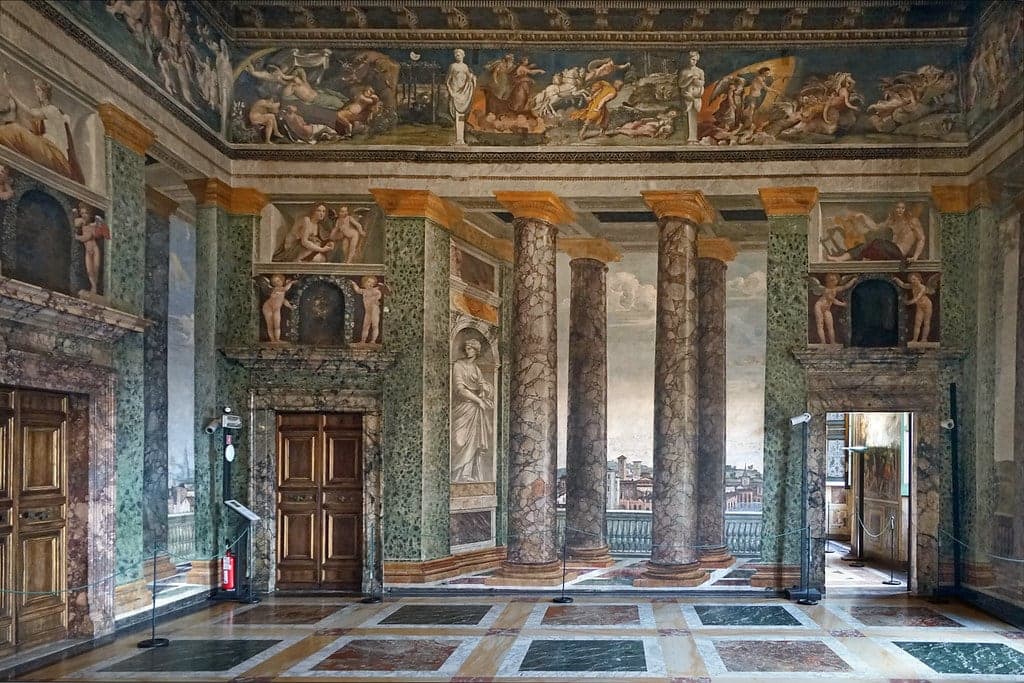
Villa Farnesina is a Renaissance villa in Rome’s Trastevere area, built in the early 16th century for the banker Agostino Chigi. It is known for its frescoes by artists including Raphael and his workshop.
Neighborhood
Trastevere feels like Rome at its most atmospheric: narrow lanes, ivy-draped facades, piazzas buzzing late, and a strong local-meets-bohemian energy. It’s excellent for wandering to nearby sights like Santo Spirito in Sassia, but evenings can be lively and noisy. Best for travelers who want character, food, and nightlife over calm.

The feel
Trastevere feels like Rome at its most atmospheric: narrow lanes, ivy-draped facades, piazzas buzzing late, and a strong local-meets-bohemian energy. It’s excellent for wandering to nearby sights like Santo Spirito in Sassia, but evenings can be lively and noisy. Best for travelers who want character, food, and nightlife over calm.
Highly walkable and full of visual charm
Great dining and evening energy
Easy access to several nearby landmarks
Things to do

Villa Farnesina is a Renaissance villa in Rome’s Trastevere area, built in the early 16th century for the banker Agostino Chigi. It is known for its frescoes by artists including Raphael and his workshop.

Porta Portese is a historic gate in Rome’s Aurelian Walls, located near the Tiber in the Trastevere area. The nearby piazza is best known for the Porta Portese flea market.

The Orto Botanico di Roma is the botanical garden of Sapienza University of Rome, located on the Gianicolo in the Trastevere area. It features a large collection of plants arranged in themed sections and greenhouses.

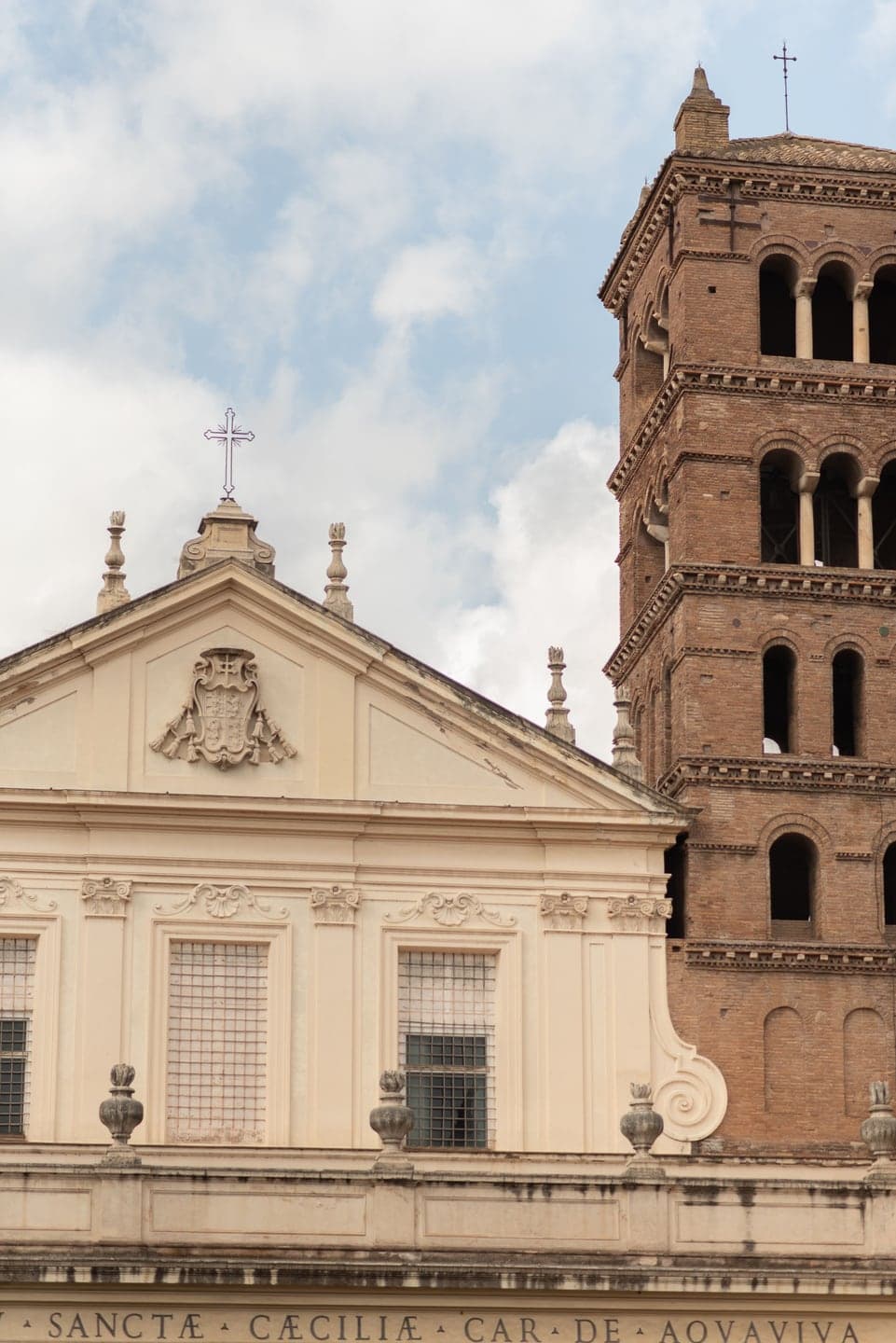
A Roman Catholic basilica in the Trastevere district of Rome, traditionally associated with Saint Cecilia. The church is known for its medieval origins and later Baroque restoration, and it includes notable artworks and a crypt.

The Fontana dell'Acqua Paola is a monumental fountain on the Gianicolo hill in Rome, built in the early 17th century to celebrate the restored Acqua Paola aqueduct. It is known locally as the Fontanone, or “big fountain.”
More things to do
Find more places across Roma by choosing a category.
Explore another neighborhood
Neighborhood
Municipio Roma I feels quintessentially Roman: layered with imperial ruins, grand churches, and pocket-sized viewpoints, yet still lively and walkable. Sightseeing is effortless, with landmarks like the Palatine, Tempio di Marte Ultore, and Santa Maria del Popolo nearby. Expect steady crowds, energetic streets, and strong café-and-restaurant character rather than late-night clubbing.
Neighborhood
Campitelli feels like a compact, deeply historic pocket of Rome, where ancient stones, church facades, and quiet lanes create a museum-like atmosphere. Sightseeing is highly convenient for landmark-hopping, while transport is typically best handled on foot with occasional public transit elsewhere nearby. Dining and nightlife are modest, leaning toward nearby central-Rome options rather than a busy local scene. Expect steady daytime visitors, calmer evenings, and
Neighborhood
Municipio Roma II feels like a cultured, central Rome base with a mix of grand historic sights and creative, lived-in neighborhoods. Around Santa Maria del Popolo, Santa Maria della Concezione dei Cappuccini, and Fondazione Pastificio Cerere, you get easy sightseeing variety, lively streets, and strong transit links, but also city noise, bustle, and a steady flow of visitors.
Neighborhood
Monti feels like Rome’s most walkable old-neighborhood blend of cobblestone charm, independent shops, and lively trattorias, with easy access to major sights like the Colosseum area and nearby historic churches and palaces. It suits travelers who want a stylish, central base with character rather than polished calm. Expect buzzy evenings, frequent foot traffic, and a neighborhood that rewards wandering over strict sightseeing efficiency.